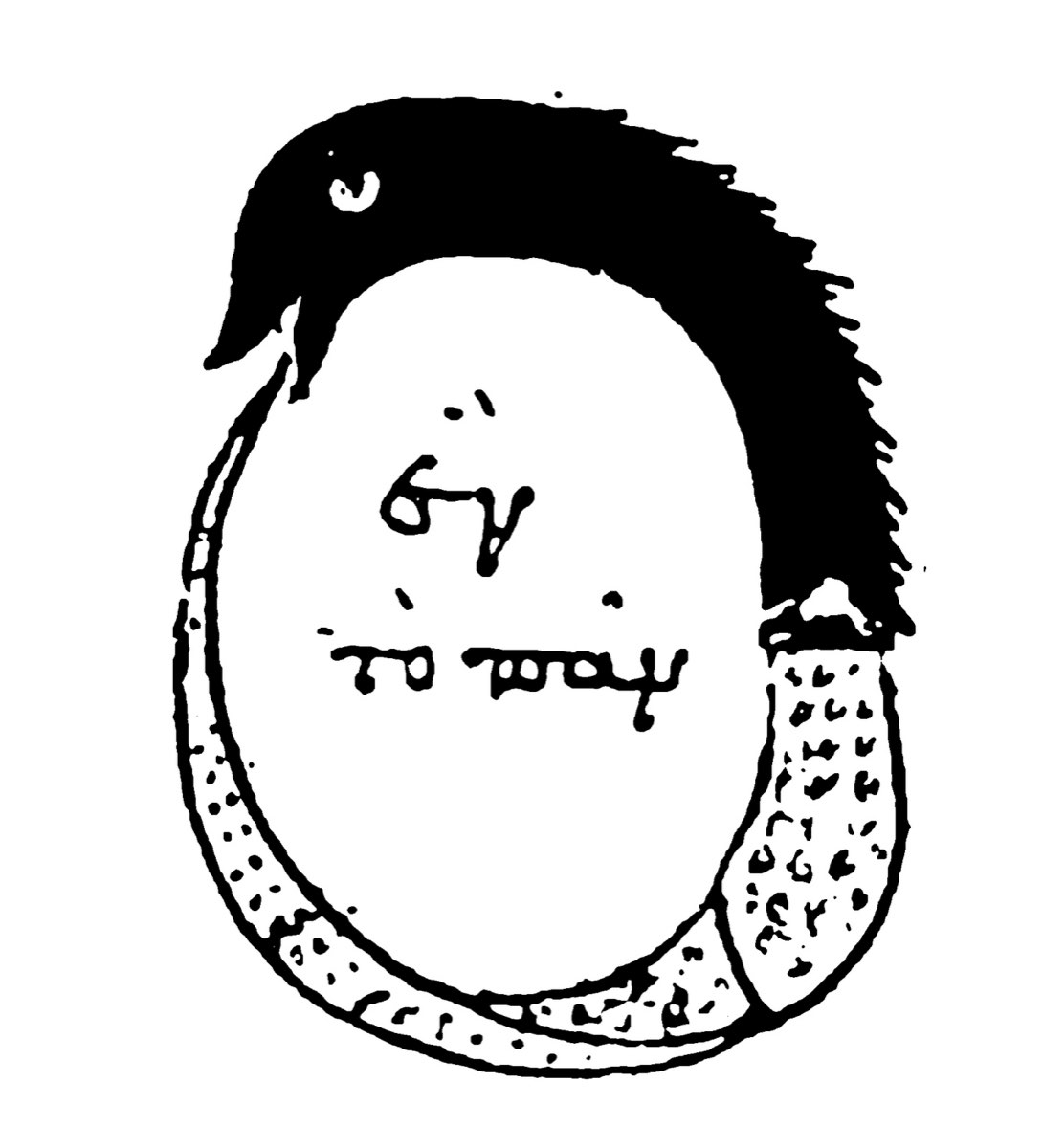
The Reality of the Rulers: the Nag Hammadi text that reinterprets Genesis
The Hypostasis of the Archons, found in Egypt in 1945, rereads Genesis as a cosmic drama: Sophia's mistake, the Demiurge, the archons, and a Christ who awakens.
· 3 min read · Sources
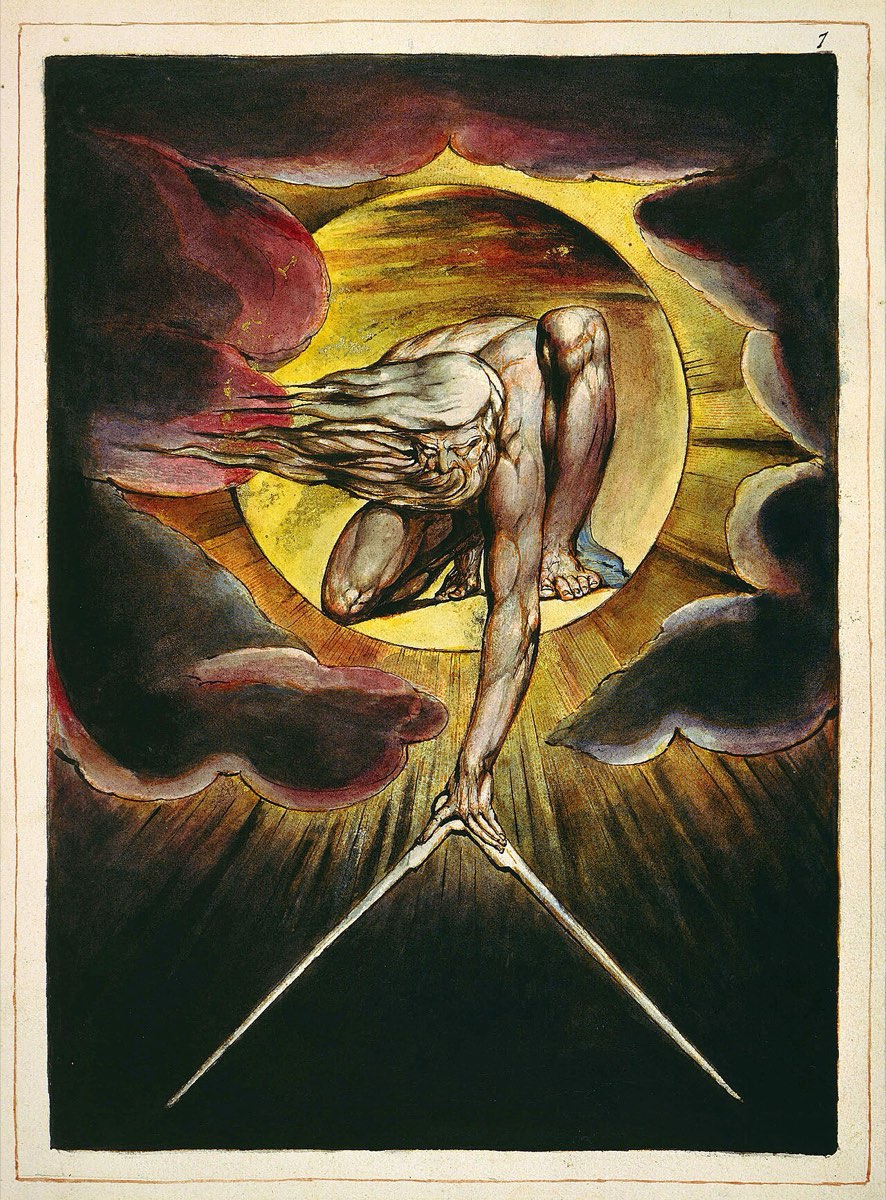

In 1 minute
- The Hypostasis of the Archons, or The Reality of the Rulers, is a Coptic Gnostic text found at Nag Hammadi (1945) that rereads the opening chapters of Genesis.
- In the narrative, Sophia's mistake gives rise to the Demiurge and a world ruled by seven archons; Christ is an aeon who descends to free Sophia and the imprisoned spirits.
- For the Gnostics, original sin is ignorance, the crucifixion is symbolic, and salvation, individual, comes from the spirit's awakening through gnosis.
Full article
In 1945, an Egyptian farmer found a sealed jar near Nag Hammadi, in Upper Egypt, containing thirteen papyrus codices wrapped in leather. They held fifty-two texts, mostly Gnostic, from early Christian communities. Among them was the Hypostasis of the Archons, also called The Reality of the Rulers, a rereading of the first six chapters of Genesis that describes the world as a prison built by a creator who did not know what he was doing.
No other version of the text is known: the original, believed to have been written in the 2nd century, was never found, and the Nag Hammadi copy is in Coptic. A video from the channel Portal Espiritualidade walks through the myth, the structure of the human being, the role of Christ, and the ritual practices, and argues for a symbolic reading of all of it. This piece uses that account as a guide and describes the beliefs of an ancient religious tradition, not proven facts.
Gnosis, knowledge that is more than an idea
At the center of Gnostic thought is gnosis, understood as direct, lived knowledge that breaks through the limits of language and logic. The video distinguishes it from blind faith and dogmatic theology: it would arise when the veil of illusion tears and the person experiences, from within, the divine that visible reality conceals.
Sophia's mistake
In the beginning there was the Pleroma, the divine fullness where the aeons lived, beings of light emanated in pairs. One of them, Sophia, mistakes an illusory light for divine light and plunges into chaos. From that act is born the Demiurge, an imperfect, arrogant, ignorant creature with the head of a lion and the body of a serpent.
Without knowing that there is something above him, the Demiurge creates the material world and believes himself to be the only god. He is a blind creator, a symbol of supreme ignorance, and the world he made is imperfect.
Seven archons
From the Demiurge arise the seven archons, who govern the planetary spheres. The video's reading suggests they are not merely mythological figures: they would represent psychic, social, and spiritual structures that keep the soul from rising. They impose rules, fear, and illusion, and make human beings forget their divine origin.
Three layers and a messenger
The human being would have a body (soma), subject to decay; a psyche, the field of emotions, desires, and thoughts; and a spirit (pneuma), a spark of the Pleroma. Salvation consists of freeing the spirit, and messengers of light would be needed for that.
The principal one is Christ, who in the Gnostic version is not just a historical figure, but an aeonic emanation who descends into the lower world to free Sophia and, with her, the imprisoned spirits. Jesus would be his visible manifestation. He would not come to “pay for sins,” but to reveal the way back. The crucifixion is read as a symbol: light sacrifices itself to penetrate the darkness.
Amulets, diagrams, and prayers
The Gnostics were not only contemplatives. They used amulets, talismanic gems, invocations, and meditations. A jewel called “Conubs” supposedly bore the image of the Demiurge, half lion, half serpent. The Ophite diagram, which listed the names of the archons, was used in ceremonies. There were also prayers and texts such as the Pistis Sophia, which reveal the inner drama of the trapped soul.
Waking up
We would all be asleep, in a kind of collective hypnosis, mistaking an illusory world for real. The role of the seeker would be to break that programming, both internal and external. Gnosis is presented as the key to the “12 gates” of return.
This changes the meaning of original sin. For the Gnostics, it is not the fruit, but ignorance; forbidden knowledge liberates, and the serpent carries Sophia's wisdom. Humans would not be fallen sinners, but fragments of imprisoned light, in a world that was already distorted when created. Salvation is individual.
The video closes with a line it attributes to the Gospel of Thomas: “He who seeks will find. And upon finding, he will be troubled. But upon being troubled, he will marvel. And then he will know the All.” The attribution has not been checked against a translation of the text.
Sources and references for this article
Channel Portal Espiritualidade (YouTube), video about the Hypostasis of the Archons
Gospel of Thomas (Gnostic text cited in the video)
Hypostasis of the Archons, Portuguese WikipediaNag Hammadi Library, Portuguese WikipediaTranslated from Portuguese. This article was rewritten from a post on the original blog, in Portuguese. Read the original
Read next
 Western esotericism · VideoApocryphon of John: Barbelo, Sophia and the false god, in the Gnostic text from Nag Hammadi
 Western esotericism · VideoGnosticism: the movement that contested the meaning of Jesus with the early Church
 Death and beyondKardec, Socrates, and Plato: the morality of Christ separated from dogma in the Spiritist Gospel
 Vedanta and YogaGita, lesson 11: moha, the confusion that overvalues what lies outside
 Western esotericism · VideoThe Apocryphon of John, the Gnostic text where the world is born of a flaw