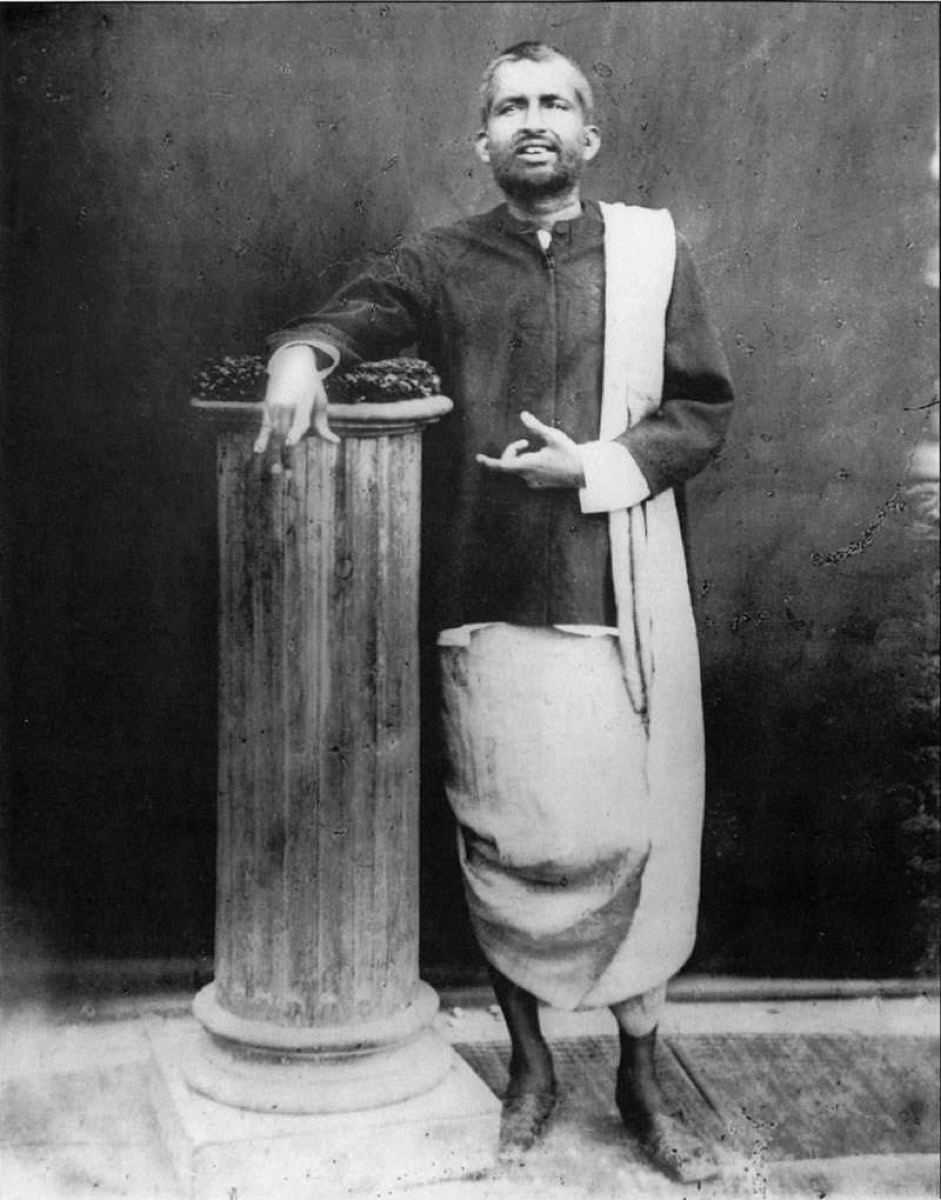
A Mother's Grief Through the Lens of Vedanta: The Love That Needs No Form
A first-person meditation draws on Vedanta to propose that, in a mother's death, what is lost is form, not the Self, and that love remains.
· 2 min read · Sources
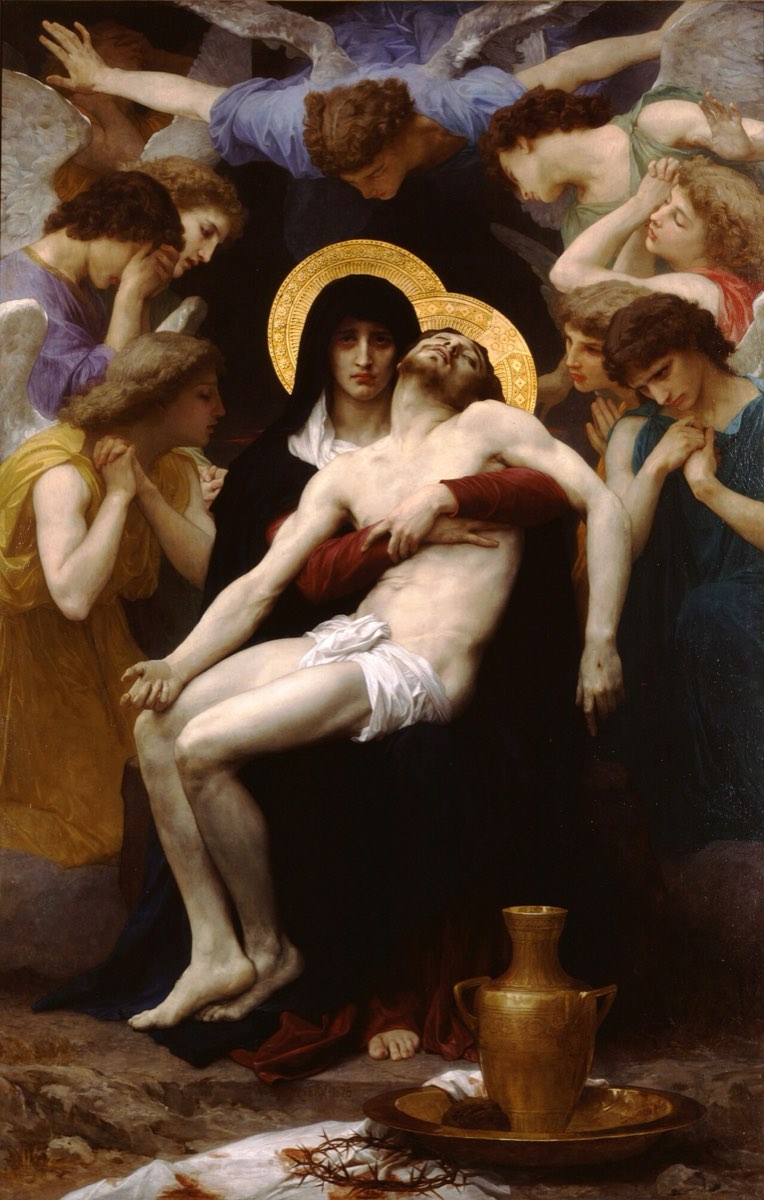

In 1 minute
- Vedanta, the Indian tradition rooted in the Upanishads, describes ultimate reality as consciousness, Brahman, of which each person would be an expression.
- A first-person meditation applies that idea to grief: what one loved in one's mother was not the body, but the Self, which is never born and never dies.
- The text treats weeping as purification and concludes that love is what remains when everything else is gone.
Full article
The eyes that watched, the arms that held, the presence that sustained: after a mother's death, all of it turns to silence. From that absence comes a meditation published on the blog, written in the first person, that tries to work through the pain with an ancient Indian idea: that what one loves in a person is not the body.
Vedanta, “the goal of all knowledge,” is a spiritual tradition set out in the Upanishads, Indian texts concerned with the nature of reality. It describes ultimate reality, Brahman, as existence, consciousness, and bliss, and holds that each person's essence, the Self, is an expression of it. This is a philosophical and religious doctrine, not a laboratory finding. The piece applied here to grief does not claim to prove anything: it is an exercise in consolation, and it is best read that way, as an attempt to use an ancient tradition to get through a real pain.
What was loved
The meditation opens with a question. What was that presence, the body, or something subtler, with no weight and no name, that seemed to shine behind the eyes and breathe behind the voice? The answer is Vedanta's: what loved was not the form, which changes and ends, but the Self, the same one, the author says, that now breathes silently within him.
From there comes the central image. The mother was never “his”; she was an expression of the One, like a leaf that lets go of the tree and returns to the root. She leaves the surface and remains what she always was: pure consciousness, with neither birth nor death. For whoever accepts the Vedantic premise, the loss is one of form. For whoever does not, the image still works as the language of affection.
What to do with the tears
The text does not ask that the pain be denied. It states that crying is right, and that weeping is not weakness but purification, something that washes the veil from the eyes until one sees that nothing was lost. The argument is that grief, lived this way, can also become a way of seeing more clearly.
The position is less obvious than it looks. Many spiritual traditions call for detachment and serenity in the face of death; here, detachment does not forbid the tear, but receives it as part of the path.
What remains
In its closing lines, the text changes voice: it becomes the voice of the Self itself, said to whisper from within the author that he is not the orphan, not the one who lost someone, but the one who remains and bears witness. The piece's most direct line sums up its thesis: “Love is what remains when everything else is gone.”
For Vedanta, this would be a statement of fact. For someone in grief, it is also a question that stays open: what is left of someone once their form is gone.
Sources and references for this article
Meditation on a mother's grief, originally published on the blog Espaço Consciência (author not credited)Vedanta, Wikipedia (Upanishads, Brahman as reality, consciousness, and bliss)Translated from Portuguese. This article was rewritten from a post on the original blog, in Portuguese. Read the original
Read next
 Vedanta and YogaConsciousness with a body: what Vedānta says the “self” is
 Vedanta and YogaListening to see: what Vedānta asks of those who want to know themselves
 Western esotericismA Hermetic manifesto against "selective blindness": mind, ether, and archons
 Science and consciousnessVedānta and quantum physics: what the observer has to do with reality
 Vedanta and Yoga · VideoDoes God sleep? What Advaita Vedānta says about the consciousness that never sleeps