The feast and the wedding garment: what Kardec sees in a parable
Kardec reads the parable of the wedding guests as a warning against surface faith and as an argument for the idea of multiple lifetimes.
· 3 min read · Sources

In 1 minute
- In the parable of the wedding feast, Kardec sees God as the king, the Jews as the first guests, and the garment as a pure heart and charity.
- Surface faith — saying "Lord, Lord" without changing one's life — is said to be the warning's target, including among Spiritists.
- "Few are chosen" would not mean condemnation: through reincarnation, everyone would get new chances to progress.
Full article
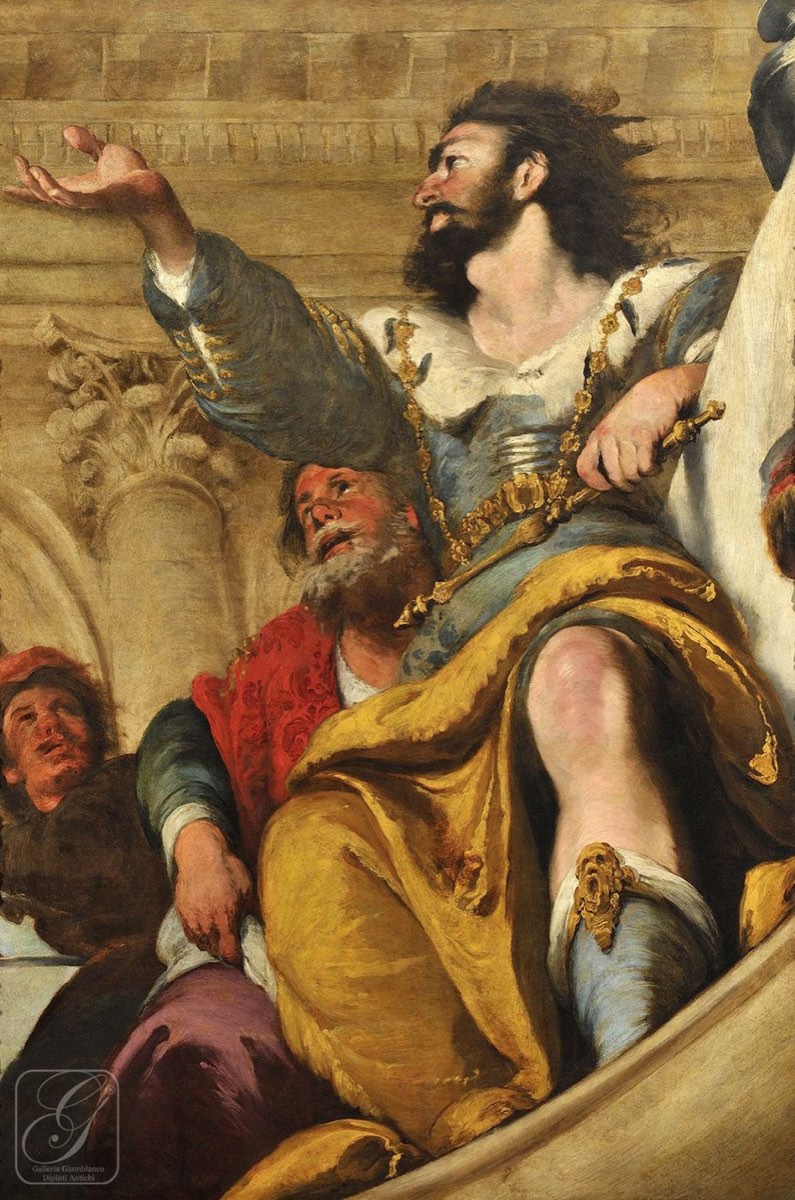
A king prepares the wedding feast for his son, and the guests refuse to come. Some cite business. Others mock the messengers and go so far as to kill them. The king then orders that whoever is found along the roads be called in, good and bad alike, and the hall fills up. One man comes in without a wedding garment and is thrown out. The story, told in Matthew 22, ends with a line that stuck: many are called, but few are chosen.
Allan Kardec, the French educator who systematized Spiritist doctrine in the nineteenth century, devotes chapter 18 of The Gospel According to Spiritism, from 1864, to it. The interpretations are the doctrine's own and belong to the realm of religious belief. For an outside reader, the chapter is worth reading as an example of how a parable can be turned into a critique of surface religiosity, including the kind practiced by those who adopt it.
Who is who in the parable
Kardec reads the scene as an allegory. The king is God. The first guests are the Jews, called before others to divine revelation. The messengers are the prophets and apostles, many of them rejected and killed. The latecomer guests are said to be the non-Jewish peoples who accepted the Gospel message.
The wedding garment is the decisive detail. For Kardec, it represents a pure heart, a sincere faith, and charity put into practice. Receiving the invitation, the chapter says, is not enough: one must be prepared to enter.
Surface faith
Jesus, Kardec recalls, denounced religiosity of appearance. There were those who said "Lord, Lord" with their lips and did not live what they heard. There were those who performed outward acts of devotion while holding on to pride, selfishness, and vanity. There were those who prayed a great deal without becoming better or more forgiving.
In the messages Spiritism attributes to spirits, the warning turns inward, toward the doctrine itself. Admiring Spiritism would not be enough: it would have to be applied to life. Many mediums would write beautiful messages without changing morally. And using the teachings only to criticize others, without self-criticism, would be spiritual hypocrisy. From those who received much, much will be asked.
The narrow gate
The next image is the narrow gate, from Matthew 7. The wide one, Jesus says, leads to destruction. The narrow one is the one that requires overcoming bad tendencies, renouncing pride, greed, and vanity, and practicing humility, justice, and love. Few find it, according to the chapter, because few truly make the effort.
One of the messages returns to the saying that to those who have, more will be given. Those who make a sincere effort would receive even more light and strength; those who do not value the little they have would lose even that. The image is of an ungrateful soil that, worked with love and charity, ends up bearing fruit.
Few chosen, but not condemned
"Few are chosen" could sound cruel. Kardec places it within a broader view. God, for him, does not condemn his creatures forever. The plurality of lifetimes, that is, reincarnation, would give everyone new chances. Spiritual progress is said to be gradual, and everyone would be an apprentice of perfection. In time, everyone would reach the light, some sooner, others later, according to each one's effort.
The chapter also criticizes those who are said to have mutilated original Christianity to suit their own interests. The result would be barren trees: beautiful speeches without works of love, and churches without real charity. Grapes do not grow on thorn bushes, as the Gospel proverb says.
What the saying means
In conclusion, Kardec unpacks the sentence into two halves. Many are called because everyone has access to the truth. Few are chosen because few make the effort to live it. Those who will enter the banquet, according to the text, are those who transform from within, live out love in action, and overcome their passions by serving with humility. The measure, in short, is not who was invited, but who arrived dressed for the feast.
Sources and references for this article
Allan Kardec, O Evangelho Segundo o Espiritismo (The Gospel According to Spiritism), chapter 18
The Gospel According to Spiritism, Wikipedia (1864 publication and overview)Allan Kardec, WikipediaMatthew, chapter 22 (the parable of the wedding feast), Almeida Corrigida Fiel BibleMatthew, chapter 7 (the narrow gate and the fruits), Almeida Corrigida Fiel BibleTranslated from Portuguese. This article was rewritten from a post on the original blog, in Portuguese. Read the original
Read next
 Death and beyondHow Allan Kardec tested spirit messages and assembled the Spiritist codification
 Death and beyondKardec, Socrates, and Plato: the morality of Christ separated from dogma in the Spiritist Gospel
 Vedanta and YogaGita, lesson 20: consciousness isn't in the world, the world is in it
 The EastThe Book of Mirdad: Mikhail Naimy's parable on the self, silence, and the word
 Death and beyond · Video"Dying is changing clothes": what Laércio Fonseca says about the afterlife