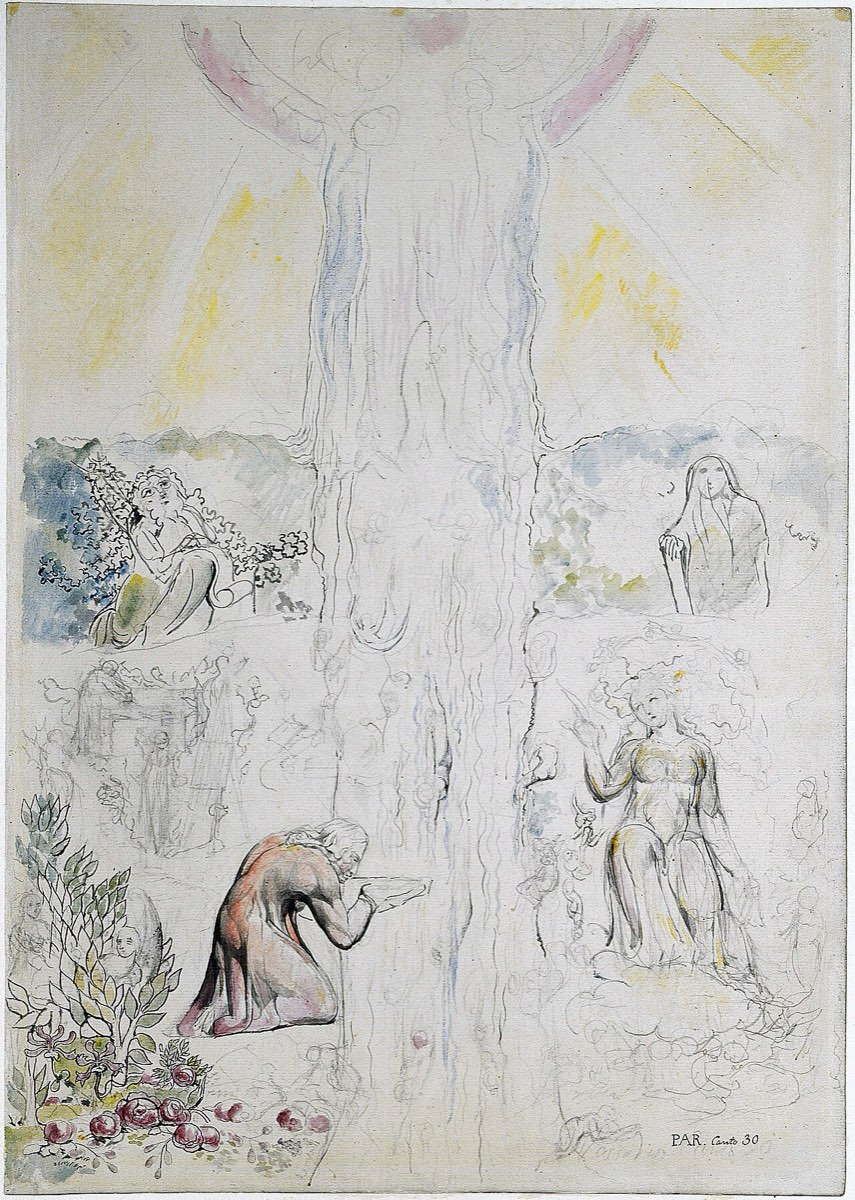
The Comforting Christ: the “other Comforter” promised in the Gospel, per Kardec
For Kardec, the Comforter Jesus promised is Spiritism, which would give pain meaning: a trial that educates or an atonement that repairs.
· 2 min read · Sources


In 1 minute
- Kardec reads Jesus's “light yoke” as relief that depends on accepting the law of love, one that makes pain bearable by giving it meaning.
- He identifies the “other Comforter” announced in John's Gospel with Spiritism, which would console through the soul's survival and reincarnation.
- Messages from Spirits and life on another plane are claims of Spiritist doctrine, without proof.
Full article
Jesus did not promise a life without weight. He promised relief to those who walk weary, on one condition: accepting his yoke. In chapter 6 of The Gospel According to Spiritism, Allan Kardec reads that condition, and the promise of an "other Comforter" announced in the Gospel of John, as the core of what Spiritist doctrine understands by comfort.
Claims about messages from Spirits and life on another plane belong to Spiritist doctrine, which treats them as truth and which cannot be proven.
The light yoke
In the passage where Jesus invites the weary and afflicted to come to him, Kardec notes that the relief is not magical. It depends on accepting the law the Gospel teaches, that of love and charity. The yoke is light, the chapter says, not because life becomes free of pain, but because spiritual understanding makes pain bearable and gives it meaning.
The other Comforter
Jesus also announces, in the Gospel of John, the Spirit of Truth, who would teach all things and bring to mind what he had said. The word "Comforter" translates the Greek paráklētos, "the one who comforts," and in Christian tradition it usually refers to the Holy Spirit. For Kardec, that Comforter is Spiritism. It would clarify Christ's teachings without allegory, shed light on the mysteries of life and death, and console through the soul's survival, reincarnation and divine justice. It would be, in the chapter's words, the doctrine that opens eyes and ears and lifts the veil over the mysteries.
The basis of this comfort, then, is reason. Pain stops being punishment and becomes a trial that educates or an atonement that repairs. Whoever knows they are learning or making amends accepts pain the way a worker accepts the effort that earns a wage. With that, the text argues, revolt loses its venom, patience and resignation take hold, and a future happiness built step by step comes into view.
The 1860 message
One of the most emotionally weighty parts of the chapter is a message attributed to the Spirit of Truth, dictated in Paris in 1860. In it, the Spirit presents itself as one returning, as before, to bring truth and dispel darkness. It calls people to repentance and renewal, says that pain is the seed of growth, that death does not exist and is merely life on another plane, and that good cultivated in silence bears fruit in a future light. It describes itself as a physician of souls, bringing the remedy that heals.
Devotion and self-denial
The chapter also points to a practical remedy for moral pain, the deepest and most silent kind: the practice of devotion and self-denial. These attitudes, the text states, work as continuous prayer, because they purify the heart, free one from selfishness and strengthen one against revolt and despair.
Comforting without infantilizing
The chapter closes with the idea that consolation is active, not passive. God comforts without infantilizing, and Christ, in Kardec's reading, does not remove the burden: he teaches how to carry it with hope and dignity. The promise, in the end, is of a peace that does not depend on the world.
Sources and references for this article
Allan Kardec, The Gospel According to Spiritism, chapter 6
The Gospel According to Spiritism, Wikipedia (published in Paris, April 15, 1864)Paraclete, Wikipedia (the Greek term, “the one who comforts,” and John 14:26)Translated from Portuguese. This article was rewritten from a post on the original blog, in Portuguese. Read the original
Read next
 Death and beyond · VideoAllan Kardec's “testament”: what is known and what is narrative
 Death and beyondKardec, Socrates, and Plato: the morality of Christ separated from dogma in the Spiritist Gospel
 Accounts and channelings · VideoBlack Holes as Portals and as Metaphor: What Astronomy Says and What It Doesn't
 Vedanta and YogaGita, lesson 20: consciousness isn't in the world, the world is in it
 Death and beyond · VideoWhat souls do after death, in a Spiritist view: work, study, and service