What happens after death, according to the medium Laércio Fonseca
In a nearly three-hour video, Laércio Fonseca describes, drawing on mediumship and astral experiences he says he lived, what awaits the spirit after death.
· 4 min read · Sources

In 1 minute
- Laércio Fonseca, who presents himself as a medium of the universalist Spiritist line, says death is the separation between the physical and spiritual bodies and that consciousness continues.
- He tells of encounters on the astral plane, such as that of a suicide who did not know he had died, and states that each person is received in a setting adapted to their beliefs.
- For him, one's fate depends on how one lived; to the living, he recommends prayer, serenity, and not insistently calling out to those who have passed.
Full article
In a video nearly three hours long, the medium Laércio Fonseca answers a question almost everyone asks in silence: what happens to me when I die? The answer he gives comes from decades of mediumship, from the universalist Spiritism he professes, and from astral experiences he says he has lived. None of this can be verified. What follows is what he states, presented as an account.
The question is as old as humanity, and the answers diverge. Science has no way to confirm that anything survives the death of the brain, and mediumship, the practice of supposedly mediating communication with the dead, has no support from the scientific community. The Spiritist tradition, which Allan Kardec systematized in France in 1857, offers a specific answer: the spirit survives, keeps its identity, and continues to evolve. It is within that framework that Laércio speaks, mixing doctrinal explanation with cases he says he witnessed, and ending with practical guidance for those in mourning.
Death as separation
For Laércio, dying means separating the physical body from the spiritual body, called in Spiritist tradition the perispirit, a term coined by Kardec for the semi-material envelope linking spirit and body. The separation would occur when the body stops functioning, especially when the brain stops receiving blood. Consciousness would carry on intact, but the person does not always understand what happened. The transition can be smooth or traumatic, depending on each person's state of consciousness.
He sums up the idea this way: "Death is just a jump out of the body. But what you'll find on the other side depends on what you cultivated here."
Cases he tells
The first is that of a man Laércio says he found on the astral plane, sitting on a bench, not knowing where he was. In helping him remember his own story, he realized the man had died by suicide and that the trauma had erased part of his memory. The man was referred for treatment on the spiritual plane. From this, Laércio concludes that not every person who dies by suicide goes to the so-called valley of suicides: each case would be assessed individually, and that valley would exist, but would be neither mandatory nor eternal.
The second is that of Antônio, a butcher, a nonbeliever but a kind man. After a heart attack, he woke up in a kind of spiritual hospital, cared for by a medical team, and only days later learned he was in another dimension. The lesson, for Laércio, is that kindness lived weighs more than belief professed.
The third is that of Rubens, Laércio's student and a tai chi practitioner, killed in a motorcycle accident, leaving his pregnant wife behind. Six months later, according to the account, he reappeared on the astral plane and asked Laércio not to tell his widow that he was always by her side, so that she could move on with her life.
Settings made to measure
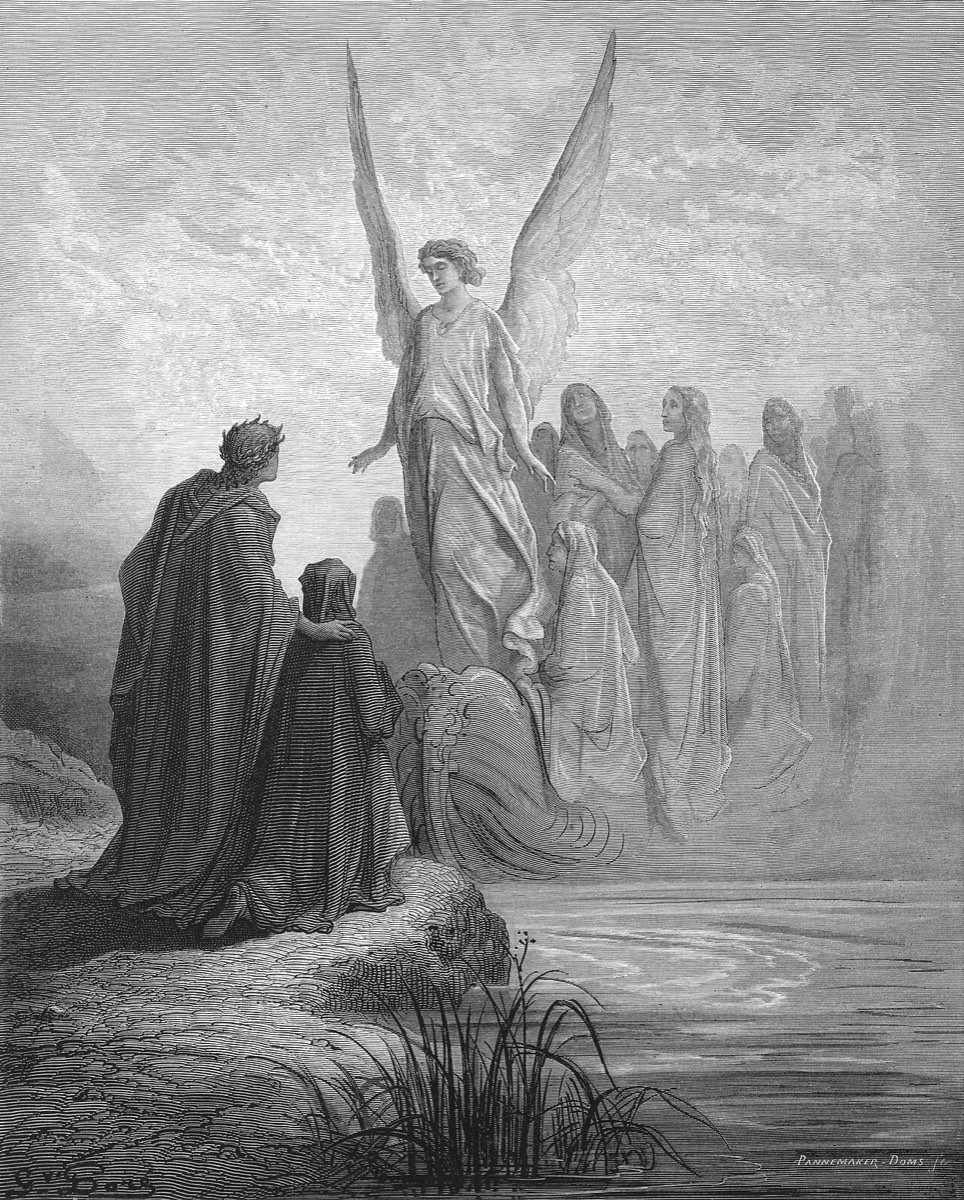
According to Laércio, the spiritual plane builds personalized settings to receive each person. A devout Catholic woman would wake up in a heaven of clouds and angels, with bells and songs. A truck driver killed on the road would carry on an ordinary conversation with a spirit before noticing he had left his body. A young woman killed in a car accident would have entered his space asking for help, not knowing she had died. The idea is that the reception respects beliefs and levels of consciousness.
He says that whoever simply died does not go to the umbral, a low-vibration region in Spiritist cosmology, but rather whoever lived in hatred, violence, selfishness or destructive vices. Even those, he states, have rescue teams that act when they ask for help. He also cites spiritual cities, such as the one in Nosso Lar, a book psychographed by Chico Xavier and published in 1944, which describes a spiritual colony where spirits learn and work between incarnations.
Animals, children and disabilities
Pets, in Laércio's version, also have a spirit and can remain months or years beside the family, often in the corner where they used to sleep, until they reincarnate. He advises against rushing grief and recommends keeping the home welcoming.
Children would not remain children for long on the astral plane, since they would recover awareness of past lives. Babies who die shortly after birth, he says, often had no karma to fulfill in that body and come back later, and he recounts the case of a baby who would have returned years later as another child of the same mother. Those who had physical limitations would recover from them in the spiritual body, within days or weeks, depending on their attachment to the previous body.
On reincarnating, he states it is not a personal choice: there would be planning guided by spiritual councils, and only highly evolved spirits would be free of mandatory cycles.
What to do, according to him
For someone who has just died, the guidance is to stay calm, visualize light and love, call on mentors or spiritual friends, avoid attachment to the body or to suffering, and accept the help of the teams that arrive.
For the living, he recommends praying with gratitude for the person, radiating love, and avoiding despair. He also asks that people not call out to the deceased all the time, which, in his view, can bind them. Spirits visit their relatives in the first weeks or months, in dreams, subtle signs or, for those with sensitivity, more directly.
Living well to die well
The video's conclusion is that living well is the best preparation for dying well. For Laércio, death is a beginning, and whoever lived with love, compassion and lucidity finds welcome on the other side. It is a comforting answer, valuable for what it offers those in mourning, not for any proof behind it.
Sources and references for this article
Video by Laércio Fonseca, "I died. Now what?" (nearly three hours)
Spiritism, Wikipedia (Allan Kardec and Spiritist doctrine)Perispirit, WikipediaMediumship, WikipediaNosso Lar, WikipediaTranslated from Portuguese. This article was rewritten from a post on the original blog, in Portuguese. Read the original
Read next
 Death and beyond · VideoA hereafter with no judge: Laércio Fonseca on the fate of consciousness after death
 Death and beyondAfter death, humans and animals: the view attributed to Edgar Cayce
 Accounts and channelings · VideoWho are you without your name? A talk on social identity and the "higher self"
 The EastWhy we suffer: Buddhism, Taoism, and karma in Laércio Fonseca's reading
 Death and beyond · Video"End of the Earth project": one medium's claim that mass death would be a departure