Guide
Near-death experiences: the complete guide
What an NDE is, what science has measured, what traditions and personal accounts say, and where research still has no answer.
5 min read · Read next, in this order
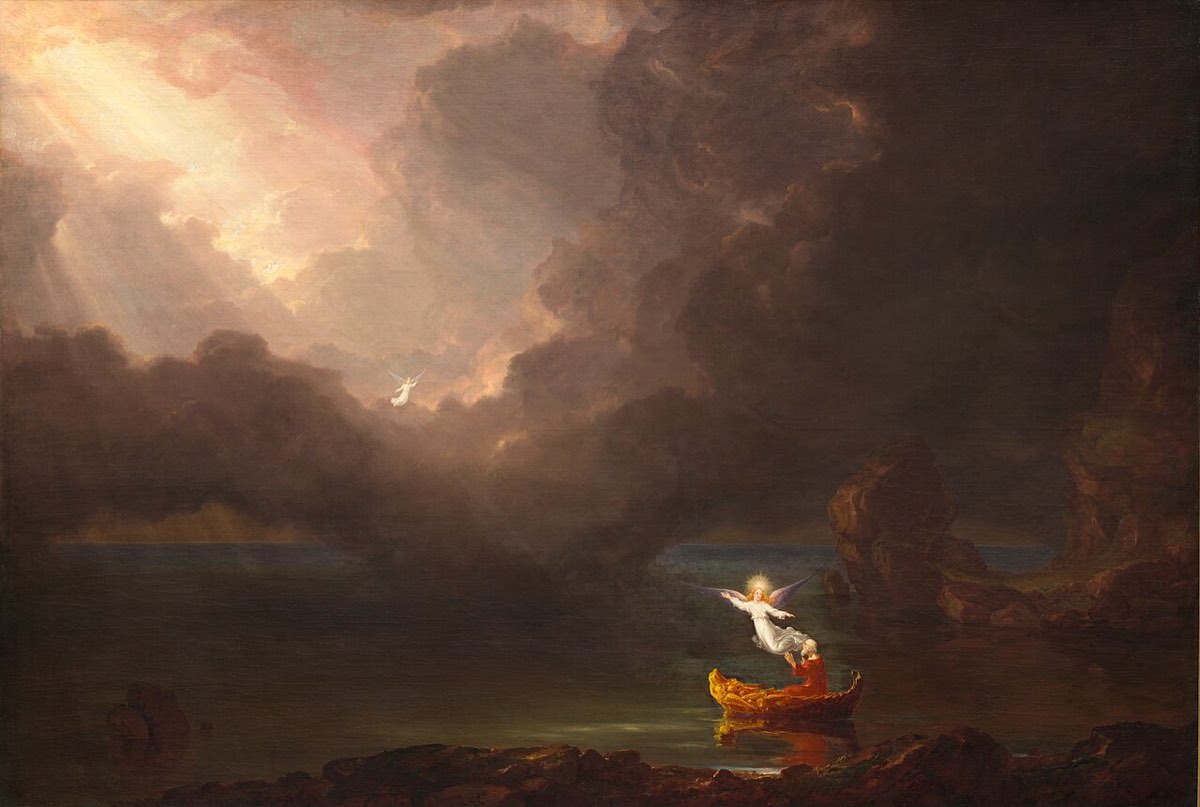
A person's heart stops, doctors revive them, and when they come back they tell a story that has already been told by people from a different country, a different religion, a different decade: they saw their own body from outside, moved through a light, felt a peace unlike anything they had known, and reviewed their entire life in an instant. That repetition is what turned the near-death experience, or NDE, into one of the few subjects where medicine, philosophy and spirituality are forced to talk to each other.
This guide gathers what is known about the phenomenon: where the term comes from, what studies of cardiac arrest survivors show, what neuroscience has managed to measure in the dying brain, and where science stops and spiritual interpretation begins. At the end, a reading list of accounts published on Espaço Consciência, from the most general to the most detailed.
What an NDE actually is
The term reached the world in 1975, with the book Life After Life, by American psychiatrist Raymond Moody, who collected around 150 accounts from people who had come close to death. Eight years later, psychiatrist Bruce Greyson organized these elements into a 16-item scale, still used as a research reference today: a sense of peace, separation from the body, a tunnel or intense light, meeting beings or deceased relatives, and a life review.
Not every NDE includes every item. Leaving the body tends to come first; the tunnel appears in only part of the cases. There is almost always a peace described as greater than anything felt before, to the point that many people say they did not want to come back. Some report being sent back; others say they were given the choice.
How many people go through it, according to research
The most cited study was published in 2001 in The Lancet: Dutch doctors followed 344 cardiac arrest survivors and found NDEs in 18% of them. Another large study, AWARE, published in 2014 with more than 2,000 cardiac arrests, found a rate close to 10%. Neither study found a clear link between the NDE and how long the arrest lasted, which drugs were used, or prior fear of death, which ruled out some simple explanations, such as oxygen deprivation alone or a sedative effect.
The brain that lights up while dying
The most recent biological clue came from research on brain electrical activity. In 2013, a group at the University of Michigan recorded, in rats, a surge of organized activity in the seconds following cardiac arrest. In 2023, the same group observed a similar pattern, made of gamma waves, in two of four human patients dying after life support was withdrawn, in areas linked to consciousness and memory.
It is evidence that the collapsing brain does not shut off all at once; it is not proof that the brain alone produces everything patients report. The finding does not explain why the script repeats across such different cultures, nor does it settle the most contested point in NDE research: reports of perception during unconsciousness.
The most disputed point: seeing without eyes
Some accounts include patients who, upon waking, describe the medical team's conversation or an object outside their possible field of vision. To test this, physician Sam Parnia placed images on shelves near the ceiling of emergency rooms, visible only from above. In the 2014 AWARE study, none of the tested patients who had an NDE identified the images; there was a single case of apparently confirmed perception, in a room without a shelf, with no way to rule out coincidence.
This kind of account sits at the center of stories like the one gathered in this profile of a hospital technician from Niterói, who says he encountered, under anesthesia, a figure that accompanied him on more than one occasion in his life.
The skeptical reading
Not every researcher treats the NDE as an unsolved mystery. British psychologist Susan Blackmore has argued, since the 1990s, for what is called the dying brain hypothesis: the idea that oxygen deprivation, the release of the brain's own chemicals, and the way the visual cortex processes information would be enough to generate the tunnel, the light and the sense of leaving the body, with no consciousness outside it required. It is a minority view among researchers who study the field closely, but it shows that the dispute is not only between science and spirituality; there is also disagreement within science itself over how much of the phenomenon the brain alone already explains.
What traditions already said, long before the term NDE existed
The idea that something in us survives death is far older than medical research. In Indian Vedanta, the Katha Upanishad already placed a young man before Death to ask what lies beyond the end, and answered with the doctrine of the ātman, the Self that is never born and never dies. In the spiritism of Allan Kardec, the continuity of consciousness after the body is a core premise, not a laboratory finding. Neither of these traditions is scientific proof; they are frameworks of meaning that predate, and today talk back to, clinical research.
Where there is consensus, where there is dispute
There is consensus that the NDE is a real experience: it happens, it is relatively common, and it changes, often permanently, the people who go through it, usually by reducing their fear of death. There is also consensus that the dying brain keeps more complex electrical activity than previously thought. The dispute is about meaning: whether the NDE is a product of the collapsing brain or a glimpse of a consciousness that does not depend on it. No study, so far, has settled that question either way.
How to start studying the subject
The historical starting point is Moody's Life After Life, followed by Greyson's scale, used to standardize accounts in research. On the medical side, the studies by cardiologist Pim van Lommel and Sam Parnia's AWARE project are the most cited references. The International Association for Near-Death Studies keeps an updated bibliography and research on the topic.
Decades after Moody, the NDE remains present in hospitals, in scientific journals, and in the accounts of those who lived through it. What it actually is remains an open question. What it does to the people who go through it is something research has documented well: few people leave the experience more afraid of death than they were before.
Read next, in this order
1AccountNear-death experiences: what repeats across accounts, and what science still can't explain2AccountLife after death: what research and traditions say, and where doubt remains 3AccountSix minutes without a heartbeat: Philip Hasheider's near-death experience
 4AccountThe Woman in Blue Who Returns in Three Episodes: A Near-Death Account and Its Readings
 5AccountThe woman in blue and the plea for help: José Maurício's account
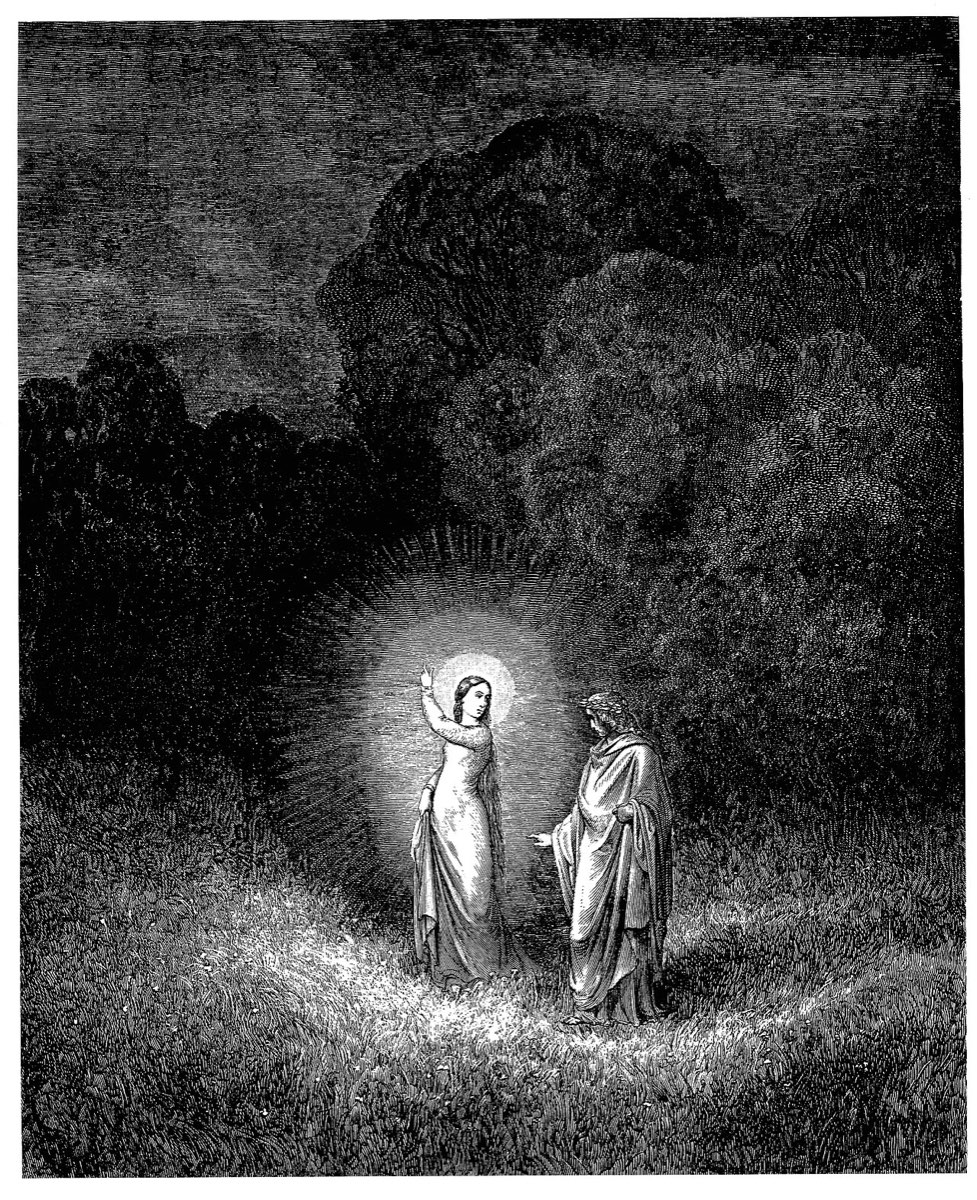 6AccountThe rock that asks about love: Peter's near-death experience, in 1974
Frequently asked questions
What is a near-death experience?
It is the set of experiences reported by people who came close to clinical death, such as cardiac arrest, and recovered. The most common elements are leaving the body, moving through a tunnel or light, feeling intense peace, and reviewing one's life.
How many people have a near-death experience?
Among cardiac arrest survivors, studies found NDE reports in 10% to 18% of cases, with no clear link to how long the arrest lasted or which drugs were used.
Has science already explained near-death experiences?
Partly. Research found a surge of electrical activity in the dying brain, showing it does not simply shut off. That does not explain why the reports repeat so consistently, nor the cases of perception during unconsciousness.
Can people really see or hear things during an NDE?
That is the most disputed point. In the largest controlled test to date, the AWARE study, patients were supposed to identify images placed near the ceiling; none of those who had an NDE and were tested recognized them.
Does a near-death experience prove there is life after death?
No, and science has not ruled out the hypothesis either. Spiritualist researchers read the NDE as evidence that consciousness is independent of the body; medicine treats this as an open hypothesis, not an established fact.
How can I start studying the subject?
With the book that coined the term, Life After Life, by Raymond Moody, and with the 16-item scale created by psychiatrist Bruce Greyson, still used today to measure the depth of an NDE in research.