The woman in blue and the plea for help: José Maurício's account
José Maurício describes the woman in blue, being rescued in a dark valley, and life after — personal accounts no one can verify.
· 3 min read · Sources

In 1 minute
- José Maurício describes a feminine figure in blue, with a gentle gaze and hands that emitted light, whom he links to protection and peace.
- In the dark valley, he says, he could only be rescued once he asked for help: the light, he believes, respects free will.
- He says life came to feel like a breath, and that he became calmer; these are personal accounts that cannot be verified.
Full article
In the second experience, José Maurício did not see the woman in the blue cloak. Even so, he says, he knew it was her. There was no word, no clear apparition, just a silent certainty that the presence that had accompanied him during a surgery was the same one. It is with that detail that the second part of his interview begins, in which he returns to and deepens what he told in the first.
What follows is one person's account of what he lived through. It cannot be verified and is not presented as a scientific conclusion. It is published here as testimony, with the interpretations the interviewee himself gives it. Several of the elements he describes also appear in the literature on near-death experiences, or NDEs, which shows the account's similarity to those of other people, but does not confirm it.
The presence in blue
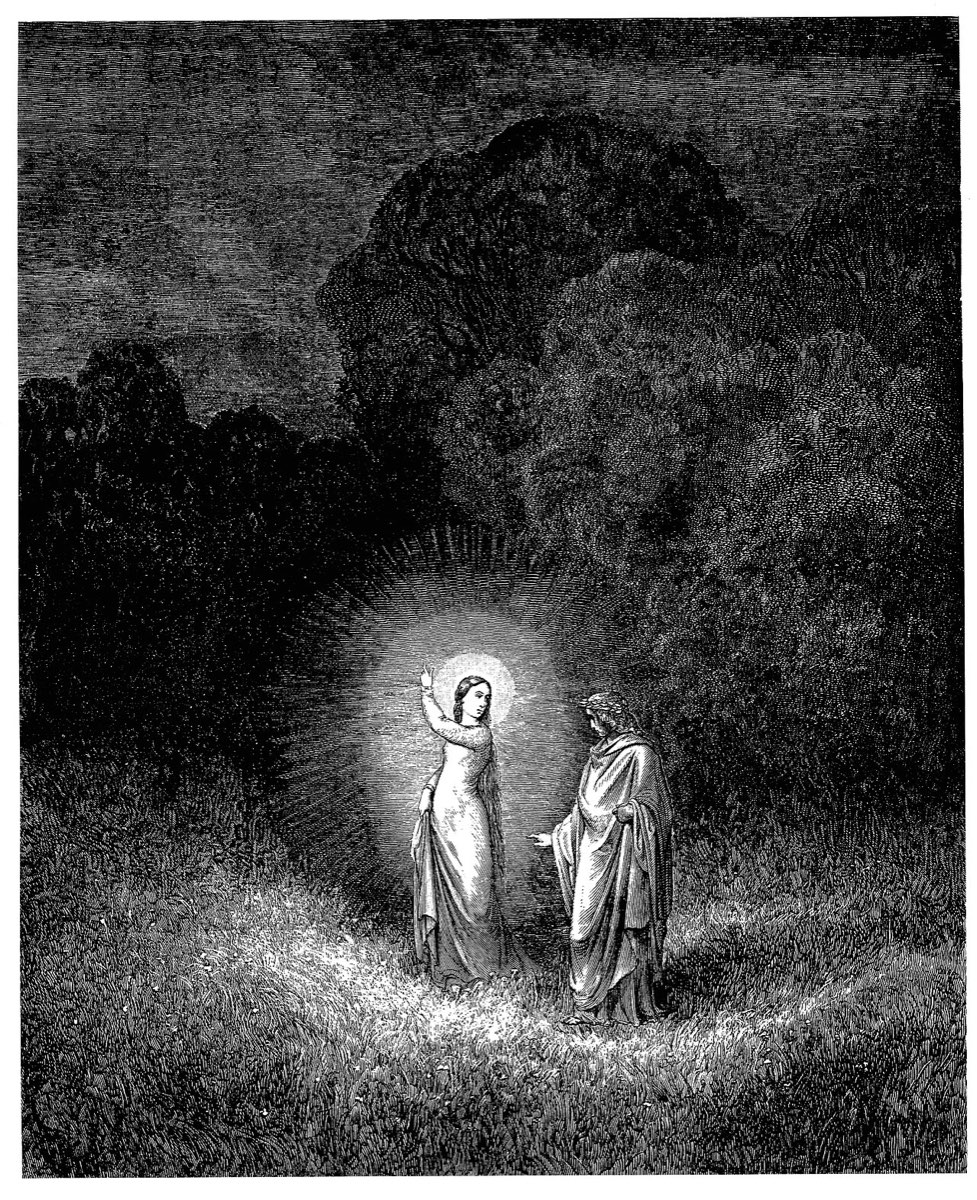
Maurício describes the figure he associates with the first experience: fair skin, a gentle gaze, hands that emitted light, and a cloak that covered her from head to toe. He links her to protection, peace, and lucidity. He says she accompanied him during the surgery and, later, rescued him from a "dark valley." The description of a welcoming being of light is common in NDEs, and its meaning, researchers note, varies with the culture and religion of the person reporting it.
Recalling the moment the figure touched his chest, he says the energy was not physical: neither warm nor cold. What he felt was a vibration of peace, relief, and lightness, comparable to a small, positive electric charge filling him. It was as if the light itself were entering his cells.
The valley and the plea for help
The third experience came during a period of depression. Maurício recounts finding himself in a dark valley, surrounded by dense, negative entities, having been led there, he says, by self-destructive thoughts. He realized, he recounts, that the light could not intervene without his consent.
Only when he asked for help, with an open heart, could the woman in blue draw near. The light radiating from her, he describes, worked as a field that evil could not cross, and the dark presence that held him dissolved. From the scene he draws a lesson: spiritual help must be asked for, because the light respects free will.
Distressing experiences like this one are reported far less often than luminous ones, but they do appear in the literature. They have been studied, among others, by Bruce Greyson and Nancy Evans Bush in a 1992 paper. José's account stands out for tying the darkness to a period of depression and the rescue to an act of his own — asking for help.
Time within the light
One of the most striking points in the account is the perception of time. Within the light, Maurício says, there was no past or future, only a present that seemed eternal. He compares what he felt to the birth of his children and says the pleasure was hundreds of times greater. The sense that time passes faster or slower is among the traits frequently described in NDEs.
Afterward, everyday life felt almost artificial to him. He summed up the shift in perspective this way: "It's as if this life were just a breath. A brief period to learn, evolve, serve. The greater reality is there." The statement comes from the person who lived it and expresses a belief about the nature of reality, not a demonstrated fact.
What changed
Maurício says he is no longer the same man. He says he is calmer and less reactive, more attuned to what others feel. He tries to listen more, judge less, and reflect before deciding, which he considers important because he has responsibility for people at work. According to him, the connection to the spiritual presence persists to this day, in moments of introspection, silence, or prayer.
His summary comes down to one sentence: we are what we vibrate as being. Whoever vibrates fear, he believes, attracts fear; whoever vibrates light, love, and faith, attracts that instead. The idea is a personal conviction, close to beliefs found in spiritualist traditions, not a proven rule.
The account thus sits between testimony and the question it leaves for whoever listens: what does one do with a certainty that no one else can confirm.
Sources and references for this article
Interview with José Maurício, part two
Near-death experience, Wikipedia (overview)Greyson, B.; Bush, N. E. Distressing near-death experiences. Psychiatry, 1992Translated from Portuguese. This article was rewritten from a post on the original blog, in Portuguese. Read the original
Read next
 Death and beyond · VideoLight, a silent hall and a dark valley: José Maurício's three experiences
 Death and beyondSix minutes without a heartbeat: Philip Hasheider's near-death experience
 Accounts and channelingsThe inner “lighthouse”: a spiritual text about seeking God in the heart
 Accounts and channelings · VideoKryon and the soul in three parts: what the message channeled by Lee Carroll says
 Death and beyond · VideoNear-death experiences: what repeats across accounts, and what science still can't explain