Bruce Lee and the Philosophy of Water: Adaptation, Self-Control, and a Fighter's Legacy
Bruce Lee became a symbol of adaptation and discipline; the quotes attributed to him, the image of water, and his death at 32 explain the myth's staying power.
· 3 min read · Sources

In 1 minute
- Bruce Lee (1940-1973) created Jeet Kune Do, a fighting method built on adaptation, and became known for preaching fluidity: be like water, which takes the shape of its container.
- In the lines attributed to him, strength is self-control, the greatest defeat is lying to yourself, and pain and discipline are part of one's formation.
- His death at 32 was officially attributed to cerebral edema linked to a drug reaction, and it remains surrounded by theories, none of them confirmed.
Full article
“Be like water, my friend.” The line became Bruce Lee's signature, and it is the one that opens a narrated video about him. Actor, martial artist, screenwriter, and author, Lee died at 32, and since then his image has shed the fighting moves to become that of someone who spoke of discipline, truth, and inner refinement.
This piece brings together what is known about the man, what is attributed to him, and what the video does with those lines, stitched together like a testament. One warning is due: the quotes appear without verification against primary sources, and the internet attributes to Lee far more than he actually said.
Who he was
Lee Jun-fan was born in San Francisco on November 27, 1940, the son of a Cantonese opera singer, and grew up in Hong Kong, where he studied Wing Chun under the master Yip Man. He returned to the United States in 1959. In 1967 he founded Jeet Kune Do, a method born of his dissatisfaction with the limits of any single style: he merged ideas from Wing Chun, boxing, and fencing, among other sources, and came to argue that a fighter must respond spontaneously to each situation.
That is the backdrop for the water metaphor. Jeet Kune Do is not defined by a fixed set of movements, and its philosophy of adaptation dispensed, at its origin, even with a belt-ranking system.
Being water
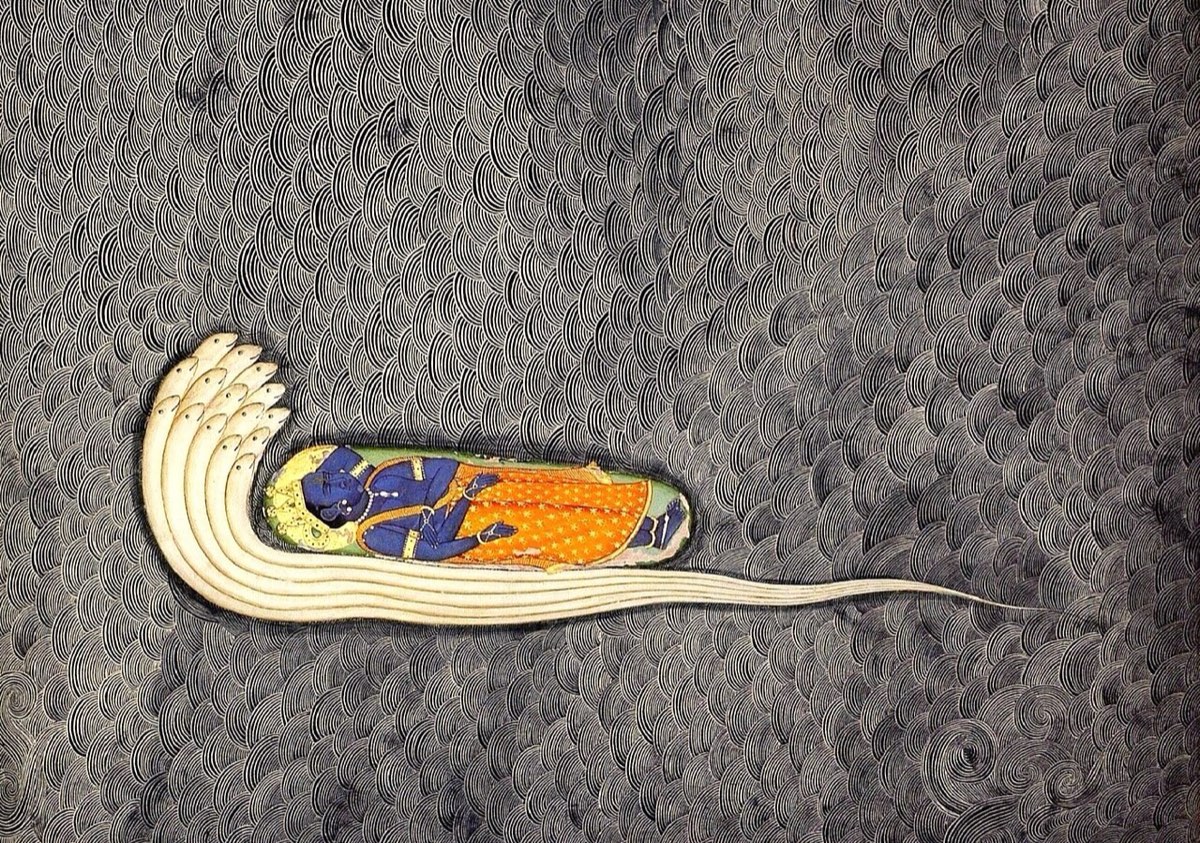
According to the video, Lee taught an inner transformation more than a fighting technique. The image is of water that takes the shape of the glass, the teapot, any container, and that can either flow or destroy. Being water, in the narrator's reading, means adapting to the challenge without losing one's essence, shaping oneself without bowing to fear, existing without rigidity, without ego, and without a mask.
Strength is mastery of oneself
Another featured line holds that the best fighter never lets himself be ruled by anger. For the narrator, Lee saw true strength in self-control and in a clear mind amid chaos. Anger blinds, and whoever cannot see does not win battles: they only get hurt worse.
He is also quoted saying that wise men walk alone, that the weak need a crowd to feel like someone, and that the greatest human superpower is not physical strength but calm.
Not lying to yourself
Among the life rules attributed to Lee, one is absolute: “Never lie to yourself.” No external achievement would make up for that inner betrayal, because the mind would be one's most valuable asset and, once corrupted, would drag everything else down with it.
Pain, discipline, and learning
Whoever wants to be the best, another line goes, must endure the worst. The video reads pain, for Lee, as a shaping tool rather than a destructive one. It pairs that with other ideas also attributed to him: today's disciplined effort prepares tomorrow's lightness, mistakes teach more than any master, and the comfort zone wastes potential.
In a passage the narrator calls rare and honest, Lee is said to have spoken of sexual life as part of human vitality: when desire fades, bodies drift apart and the bond cools. On teaching, two more lines appear. He said he taught nothing, only helped others look within, and that life gives the test first and the lesson only afterward.
The death and the symbol
On May 10, 1973, Lee collapsed during the dubbing of Enter the Dragon, had convulsions, and was diagnosed with cerebral edema, which doctors managed to reduce. On July 20, he died in Hong Kong. In the most widely told version, he took the painkiller Equagesic, made of aspirin and meprobamate, in the afternoon and never woke from his nap. The autopsy found only those two substances, and the outcome remains a matter of dispute among physicians.
The video notes that the official explanation, a drug reaction, was never accepted by the “collective heart,” and it cites theories that still circulate: allergic reaction, extreme exhaustion, murder, and even spiritual interference. None is demonstrated there. What the narrator highlights is what remains: Lee became a symbol of integrity, a sharp mind, discipline, and self-respect. The closing synthesis is attributed to him, as a final lesson: not to ask for an easy life, but for the strength to endure a hard one.
Sources and references for this article
Narrated video with quotes and interviews from Bruce Lee (channel not identified in the original)
Bruce Lee, Wikipedia (biography, films, and death on July 20, 1973)Jeet Kune Do, Wikipedia (origin of the method and its philosophy of adaptation)Translated from Portuguese. This article was rewritten from a post on the original blog, in Portuguese. Read the original
Read next
 The East · VideoKrishnamurti on freedom: no guru, no method and no conflict
 The East · VideoŚūnyatā: what Nagarjuna meant by emptiness, and what it is not
 Vedanta and YogaGita, lesson 20: consciousness isn't in the world, the world is in it
 Vedanta and YogaDeath as companion: what Vedānta teaches about time, discipline, and urgency
 Vedanta and Yoga · VideoA method made to be abandoned: Vedānta and the question of death