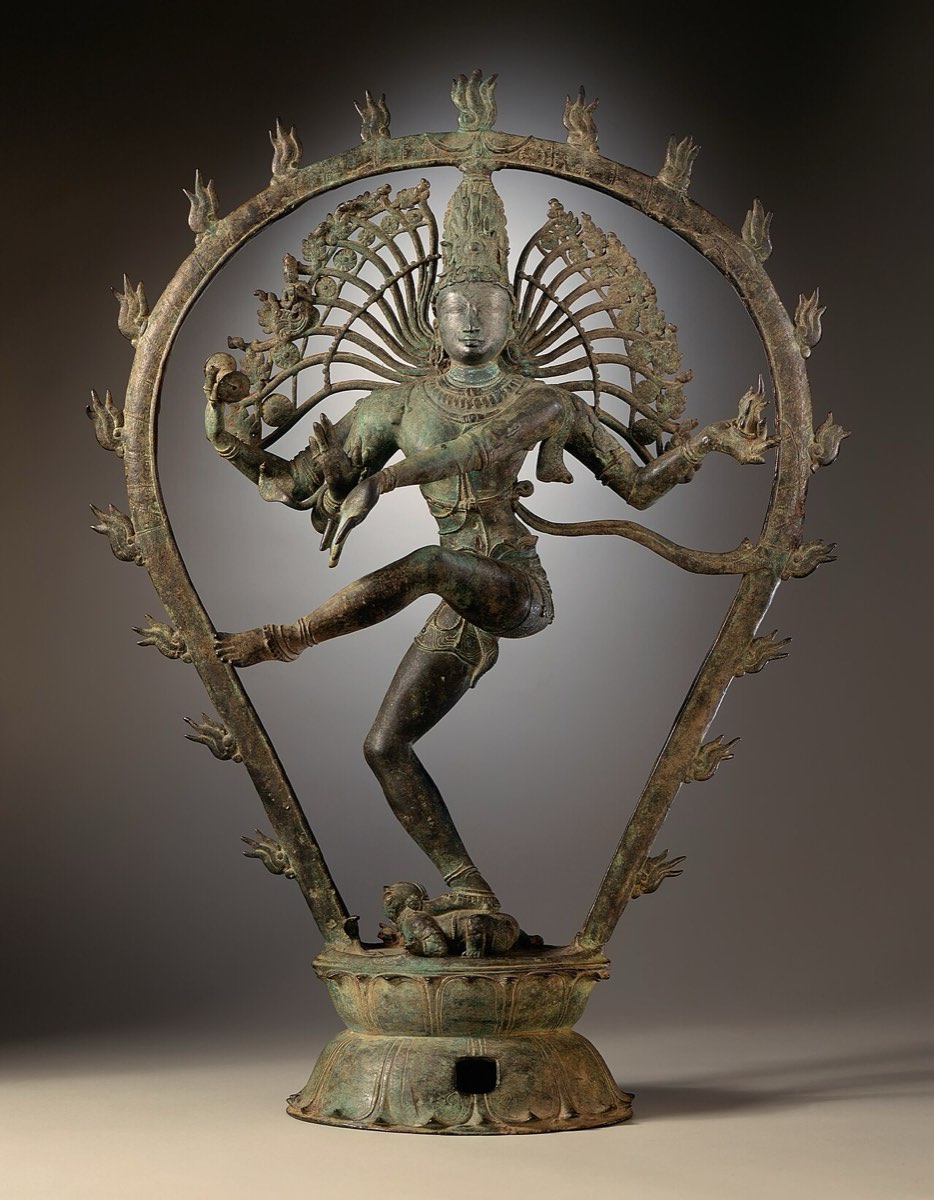
A method made to be abandoned: Vedānta and the question of death
For teacher Uddhava, Vedānta is not a body of doctrines, but a provisional method of teaching, which the question of death helps explain.
· 3 min read · Sources

In 1 minute
- Uddhava, a Vedānta teacher, says death is an ongoing process, not a future event, and that it is death that gives life its urgency.
- He explains tapas (discipline), Brahmā's cosmic cycle, and the example of the pot and the clay, used to show that the world adds no weight to the Self.
- For him, everything Vedānta says is provisional: it serves to remove ignorance and is then abandoned.
Full article
A listener wanted to know how to take death as a companion. The question, asked during a live class by Vedānta teacher Uddhava, became the starting point for a bolder idea than the topic suggests: that Vedānta is a teaching method designed to be discarded once it has done its job.
Vedānta is the Indian philosophical tradition tied to the Upaniṣads, texts that investigate the nature of the self and of reality. The claim that the teaching is provisional is unusual among religious traditions, which usually present their doctrines as final. This piece lays out Uddhava's argument, presenting his interpretations as such.
A countdown already under way
For Uddhava, death is not an event reserved for the future. It is a present process: from birth onward, life would be a gradual spending-down of allotted time, not a sum of years. Every moment that passes is one moment less.
Without that limit, life would be careless. Everything would be postponed, including loving, asking forgiveness, serving, and studying. The prospect of death gives existence its character of urgency, care, and responsibility.
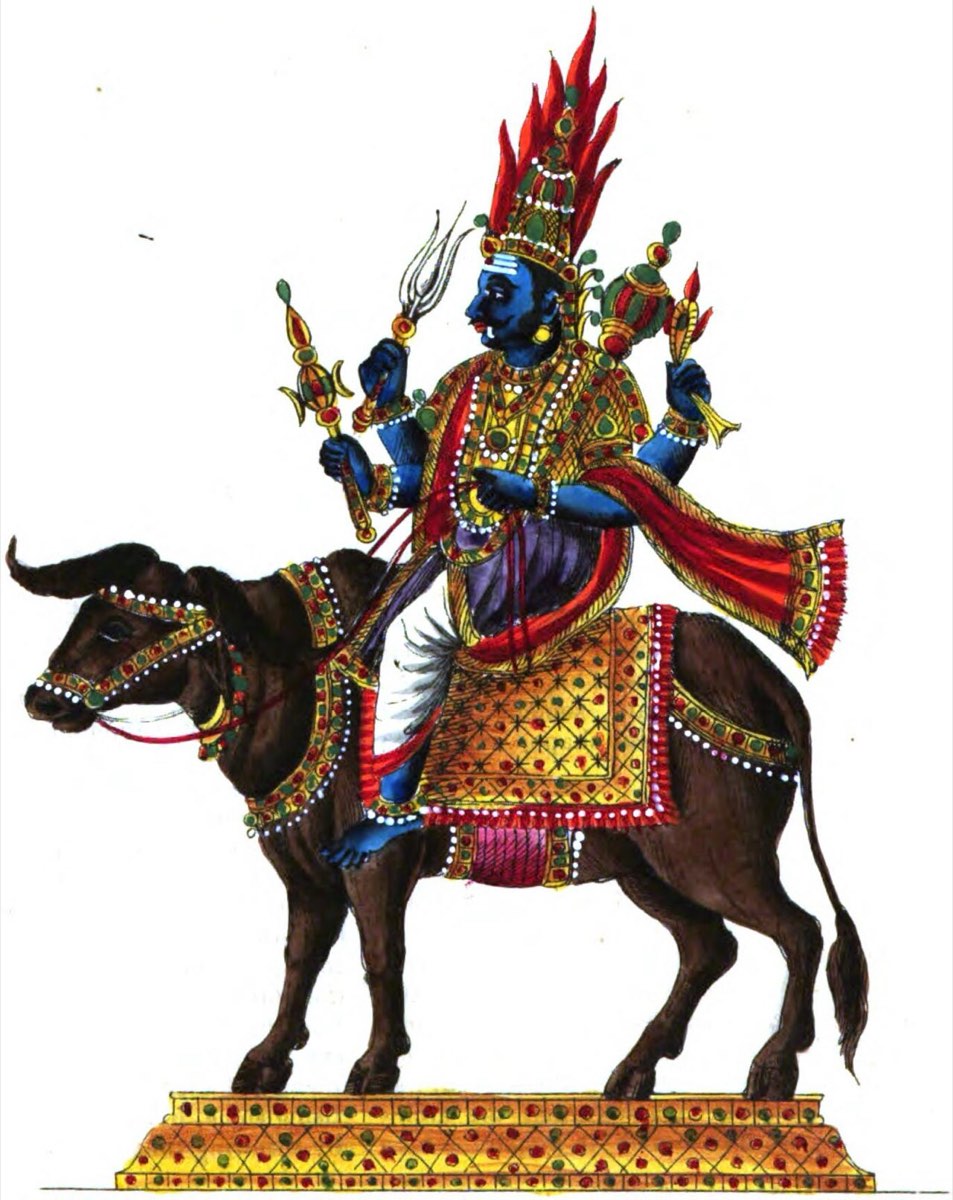
That is why, he explains, the Vedic tradition personifies death as Yama, also called Dharma Rāja, the king of dharma. The figure suggests the question that organizes ethical life: what must I do while I still can?
Tapas: heat and friction
Tapas is a word that means heating and designates spiritual discipline. Uddhava defines it as the clash between conscious will and instinctive impulse: fasting when the body demands food, staying silent when the mind wants to speak, acting rightly when the ego wants to flee.
Half joking, he says the hardest tapas he has faced was getting married and having children, since it demands surrender and renunciation of the ego. Friction, he says, produces spiritual strength.
The method that undoes itself
The central point of the class is that Vedānta would not be a body of doctrines, but a teaching method, the prakriyā. It uses language to go beyond language, and uses causality to question causality itself.
The classic example is that of the pot. Every pot is, at bottom, clay with a shape; the name “pot” adds no weight to the clay. In the same way, the tradition claims, the world adds no weight to Brahman, the ultimate reality. The device is provisional: it serves to remove ignorance, and is then discarded.
The night of Brahmā
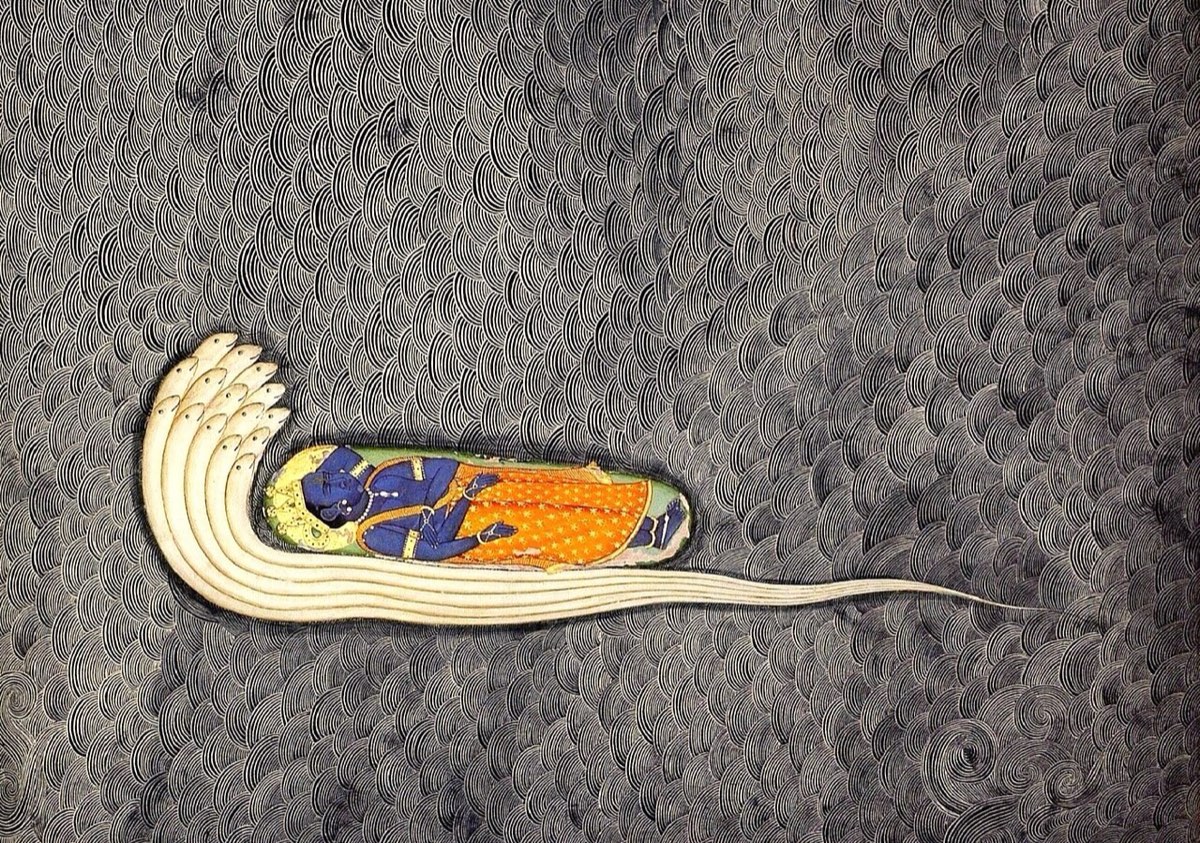
Another listener asked what the night of Brahmā is. Uddhava answered that it is the period of cosmic dissolution, in which the creator sleeps and everything is reabsorbed into potential. One day of Brahmā equals 4.32 billion years by the tradition's count, and the night lasts just as long.
This scale, for him, is not meant to assign numbers to the cosmos, but to shake the arrogance of human time and reveal a cyclical, impersonal world that would nonetheless be intimate to every person.
Why the modern mind stumbles
Uddhava points to the materialist, scientific mindset as the obstacle. It would understand “elements” as physical atoms rather than as symbolic principles of experience, and would seek empirical proof for something that, in the tradition, is an inner recognition. “You won't find Brahman with a microscope,” he said, according to the class summary.
That is why he advocates studying mythology, cosmology, and traditional language, to reeducate the spiritual imagination.
The end of the method
At the most emphatic point, Uddhava stated that everything said in Vedānta is provisional and will be negated, because words are only a mirror meant to let the person realize they are already free. Death, in this arc, stops being a separate theme: it is the lens that makes the urgency of the question unavoidable.
What remains is the question he closed the class with: if death already walks alongside us, what still needs to be done?
Sources and references for this article
Live class by teacher Uddhava on death, tapas, and prakriyā
Translated from Portuguese. This article was rewritten from a post on the original blog, in Portuguese. Read the original
Read next
 Vedanta and Yoga · VideoWhat Dies When Someone Dies? The Answer from Ramana Maharshi and Advaita Vedanta
 Vedanta and YogaGita, lesson 14: from wanting freedom to committing to self-knowledge
 Science and consciousnessVedānta and quantum physics: what the observer has to do with reality
 The East · VideoBruce Lee and the Philosophy of Water: Adaptation, Self-Control, and a Fighter's Legacy
 Vedanta and Yoga · VideoWhat is consciousness? Vedanta faces off with neuroscience, physics, and AI