The pineal gland: what science knows, and what “unblocking” it doesn't support
The pineal regulates the body clock through melatonin; calcification is common with age, and claims of “decalcifying” the gland lack evidence.
· 4 min read · Sources

In 1 minute
- The pineal gland, 100 to 150 milligrams, produces melatonin at night and helps synchronize the body clock with the light-dark cycle.
- Calcification is common and increases with age; its physiological form rarely causes clinical deficit, and there's no evidence that supplements or sound reverse it.
- The best-supported practices are a steady sleep schedule, daylight exposure, little artificial light at night, and meditation or yoga, the last still backed only by early studies on the gland itself.
Full article
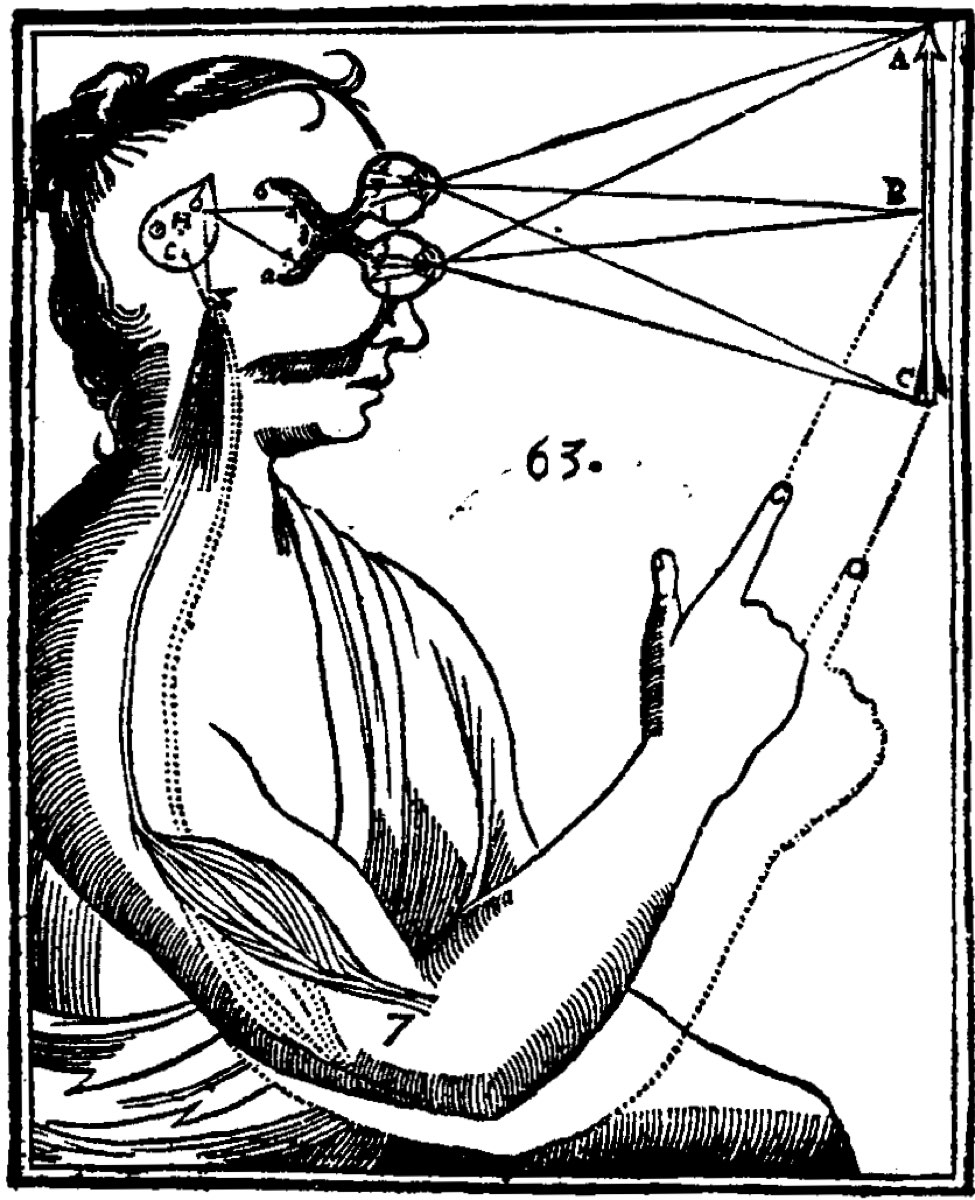
René Descartes called the pineal gland the seat of the soul. Four centuries later, it remains wrapped in mystery in spiritual traditions, which link it to the "third eye," and on wellness channels that promise to "unblock" it with sunlight, supplements or sound frequencies. Physiology says something far more modest, and no less interesting for that.
What the scientific literature establishes about the pineal is one thing; what belongs to the realm of belief is another. The idea of a third eye and the Ajna chakra is symbolic and spiritual, not a medical finding.
A small gland, in the middle of the brain
The pineal, or epiphysis, weighs between 100 and 150 milligrams in an adult. It sits on the brain's midline, behind the third ventricle, and lies outside the blood-brain barrier, the filter that shields brain tissue from the bloodstream. About 95% of its cells are pinealocytes, responsible for making melatonin.
Its main job is translating ambient light into a hormonal signal. At night, when the retina stops sending light signals to the suprachiasmatic nucleus, the body clock's pacemaker in the hypothalamus, a pathway of nerve fibers reaches the pineal and triggers melatonin synthesis. The hormone does not force sleep the way a sedative does. It tells the body it is nighttime. Disruptions at any point along that chain can throw off the rhythm, not only some supposed failure of the gland itself.
Melatonin also appears in other tissues, such as skin and intestine, where it acts locally. But without the pineal, circulating melatonin nearly disappears, which shows the gland's central role. It also has antioxidant activity and takes part in processes still under study. Production declines with aging.
Calcification is common
The pineal has the highest calcification rate of any organ in the body. The deposits are hydroxyapatite, the same mineral found in bones and teeth, and show up on imaging scans. They can appear in the first decade of life, but become far more common after age 50. Population prevalence estimates range between 17% and 70%.
One hypothesis discussed in the literature is that calcification is not merely a passive buildup of calcium, but an active process, similar to bone formation. In a paradoxical detail, the authors raise the possibility that melatonin itself may favor this process, which complicates the idea that calcification is simply a "blockage" to be removed.
Pineal calcification is associated with lower melatonin and with conditions such as sleep disorders, migraine and, in some studies, neurodegenerative disease. But association is not cause. Aging reduces melatonin through several pathways, including reduced innervation of the gland and reduced light capture by the eye, and the isolated weight of calcification remains an open question.
The dissertation from the Federal University of Pernambuco used as a source notes the difference between two types. Physiological calcification of the pineal is common, age-dependent and rarely causes clinical deficit. Pathological calcification, of genetic, infectious, metabolic or vascular origin, mainly affects other brain regions, such as the basal nuclei. Confusing the two can divert attention from what actually deserves diagnosis.
What is promised, what is shown
Among the benefits attributed to "unblocking" are greater intuition, focus, stable mood and inner peace. Many overlap with effects already documented for meditation and yoga, which act on the brain through broader mechanisms than any supposed decalcification.
The available evidence points to the obvious. The strongest environmental factor acting on the pineal is light. The blue light from screens, around 460 to 480 nanometers, suppresses melatonin, and even intensities below 200 lux at night are enough to shift the rhythm. Natural light in the morning and darkness at night strengthen the cycle. Sunlight benefits the pineal indirectly, by adjusting the clock, not by "charging" it.
A balanced diet and hydration support overall brain health, but no specific food has been proven to benefit the pineal. On fluoride, one study shows the element concentrating in the gland and correlating with calcium, but the link to clinical melatonin loss, at the levels found in water fluoridation, remains limited and needs further research. For iodine, boron and MSM, the materials reviewed found no evidence that they decalcify or activate the gland. Sound therapies, such as binaural beats, show inconsistent results and no data linking them to the pineal. Melatonin tablets, for their part, help shorten the time it takes to fall asleep, but carry side effects and should be used with caution.
Where something promising appears
The most interesting finding comes from meditation. One study found that long-term meditators had greater structural integrity of the pineal on MRI and better preserved gray matter, with a lower predicted "brain age." Another study, following three months of yoga, recorded an increase in plasma melatonin and a relationship between the nighttime peak and reported well-being.
These are encouraging results, but based on association, with small or loosely detailed samples. The careful reading is that these practices improve the physiological environment, through less stress and better sleep, not that they "open" something in the gland.
The practical takeaway
Science, then, treats pineal health as a matter of preservation, not unblocking: a regular sleep schedule, daylight, little artificial light at night, stress management. The pursuit of "activating the third eye" may hold symbolic and contemplative value for those who practice it. What it does not have is proof that the gland's calcium dissolves by will, by supplement, or by sound.
Sources and references for this article
Master's thesis on the pineal gland, USP Digital Library of Theses and DissertationsDissertation on brain calcifications, Federal University of Pernambuco (institutional repository)Drauzio Varella website (a Brazilian physician's health portal): Melatonin helps regulate sleep but does not treat insomniaPineal calcification, melatonin production, aging, associated health consequences (PubMed Central)Pineal gland, Wikipedia (Descartes, anatomy and pseudoscience)Physiology of the pineal gland and melatonin, Endotext (NCBI Bookshelf)Translated from Portuguese. This article was rewritten from a post on the original blog, in Portuguese. Read the original
Read next
 Science and consciousnessWhat the studies show about Ashtanga Yoga, from the heart to the bones
 Science and consciousnessQuantum physics and Vedanta: where the analogies help and where they mislead
 Western esotericism · VideoPineal gland, "third eye," and "inner Christ": what's science and what's belief
 Death and beyondLife after death: what research and traditions say, and where doubt remains
 Science and consciousness · VideoChildhood trauma and illness: what Gabor Maté argues, and what medicine establishes