Dissolving the mind: what Vedānta means by freeing oneself from thought
For Advaita Vedānta, liberation demands more than understanding: it requires knowing the truth, extinguishing latent desires and dissolving the mind, through four paths.
· 3 min read · Sources

In 1 minute
- For Advaita Vedānta, enlightenment is discovering oneself to be infinite consciousness (Brahman) and feeling free of the weight of guilt, fear and desire.
- According to the Jīvanmukti Viveka, by Vidyāraṇya, liberation while alive rests on three pillars: knowing the truth, extinguishing latent desires, and dissolving the mind.
- The mind can be dissolved through the paths of yoga, devotion, selfless action and knowledge, and the result would be freedom without coldness.
Full article
Almost every spiritual tradition treats the mind as a valuable instrument. Advaita Vedānta, the Indian school according to which reality is a single consciousness, makes a proposal that sounds strange: the mind needs to be transcended, or rather, dissolved. The idea also runs through classical yoga and appears in a long philosophical text, the Yoga Vasiṣṭha, which the monk Swami Sarvapriyananda discusses in a lecture.
What is meant by dissolving the mind, and why a tradition that values study says that studying is not enough, helps explain how Vedānta thinks about liberation. Terms such as Brahman, jīvanmukti and samādhi belong to the vocabulary of these traditions and are not categories of science.
A text in the form of a dialogue
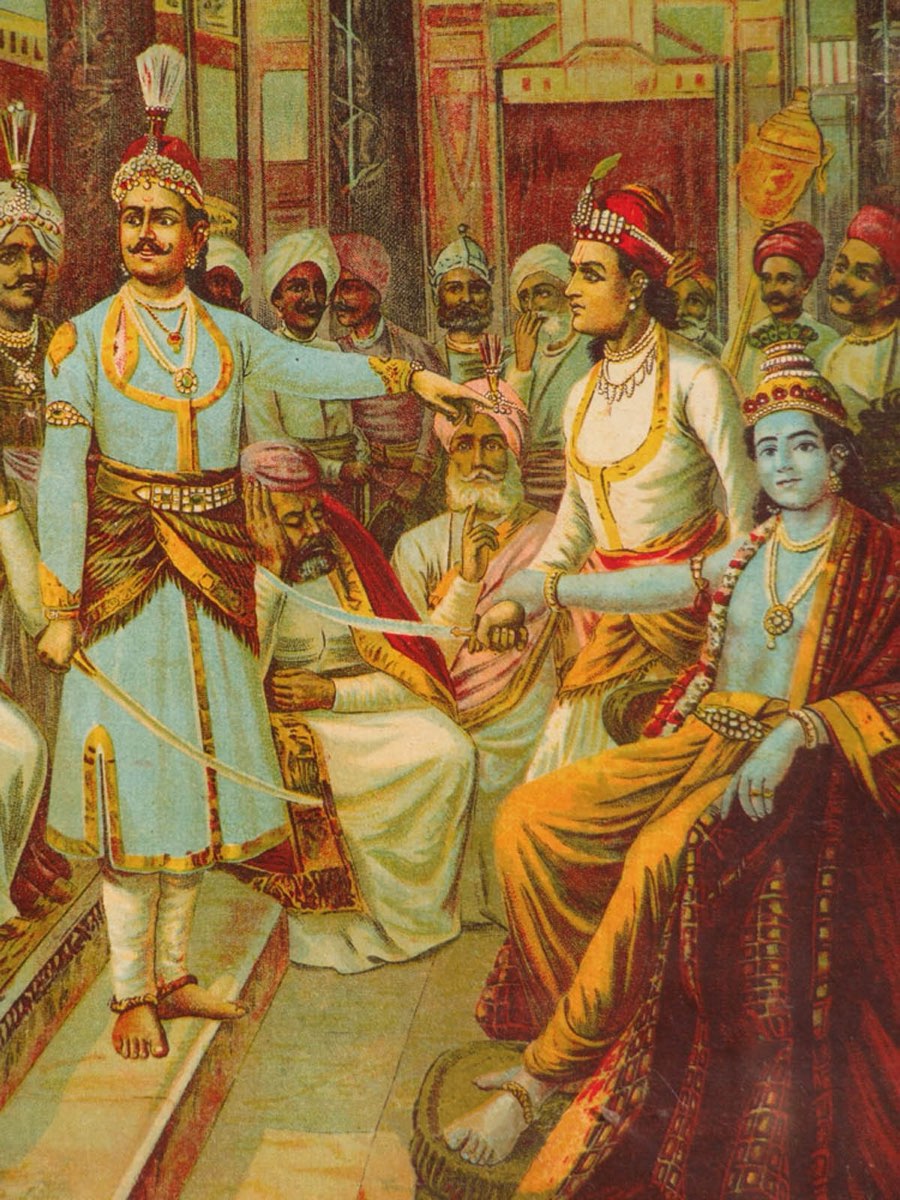
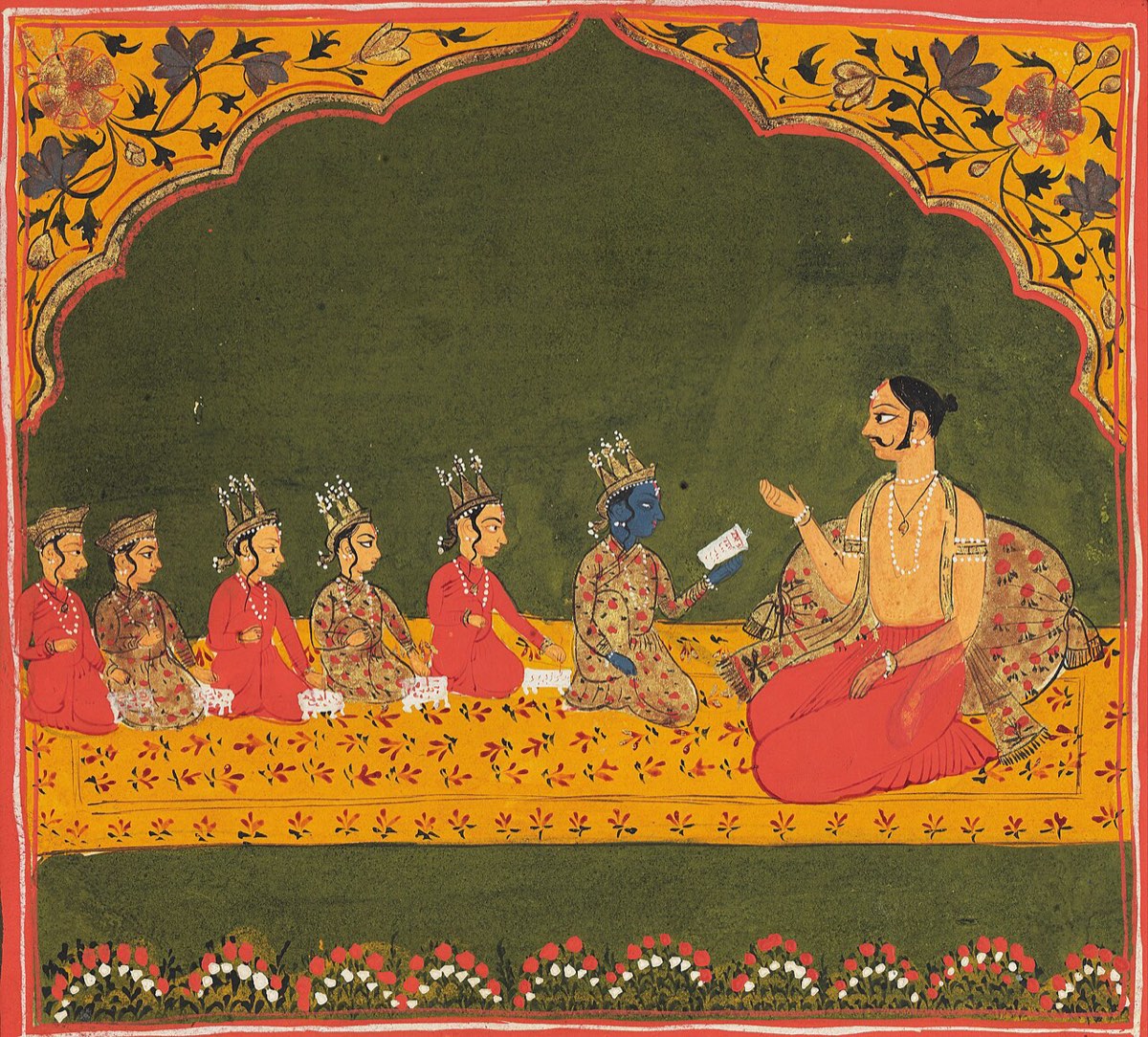
The Yoga Vasiṣṭha is structured as a discourse by the sage Vasiṣṭha to prince Rāma, in six books, with stories and fables that illustrate the pursuit of liberation through one's own effort and meditation. Its philosophical basis is close to that of Advaita Vedānta. Tradition associates it with remote ages, but academic dating places it between the eleventh and fourteenth centuries.
Dissolving the mind, in this context, does not mean stopping thought forever. It means transforming a chaotic, self-centered tool into a clear mirror of consciousness, ceasing to identify with thoughts, desires, fears and judgments, and remembering the observer that lies beyond them.
Two faces of enlightenment
Vedānta distinguishes two senses of enlightenment. One is intellectual and existential: discovering that one is Brahman, the infinite, impersonal consciousness that pervades everything. The other is lightness, the absence of the emotional weight of guilt, fear, anxiety and desire. Enlightenment would thus be a transformation, not merely an understanding.
Sarvapriyananda draws attention to a trap, "intellectual Advaita": the scholar understands the philosophy but does not live the truth it describes. When pain, loss or fear arrive, many who repeat "I am Brahman" collapse. That would be a sign that the understanding has not yet been integrated.
Three pillars of liberation while alive
To say what is missing, the swami turns to Vidyāraṇya, author of the Jīvanmukti Viveka, a treatise on liberation while alive, jīvanmukti. The text rests it on three pillars. The first is tattva bodha, the realization of the truth. The second is vāsanā kṣaya, the extinction of the latent tendencies that feed attachment, ego and confusion. The third is mano nāśa, the dissolution of the mind, which grows still and is reabsorbed into pure consciousness.
Full liberation would require all three. Understanding that everything is one, without emptying out deep desires or stilling the mind, would leave a person where they started.
Four paths, one destination
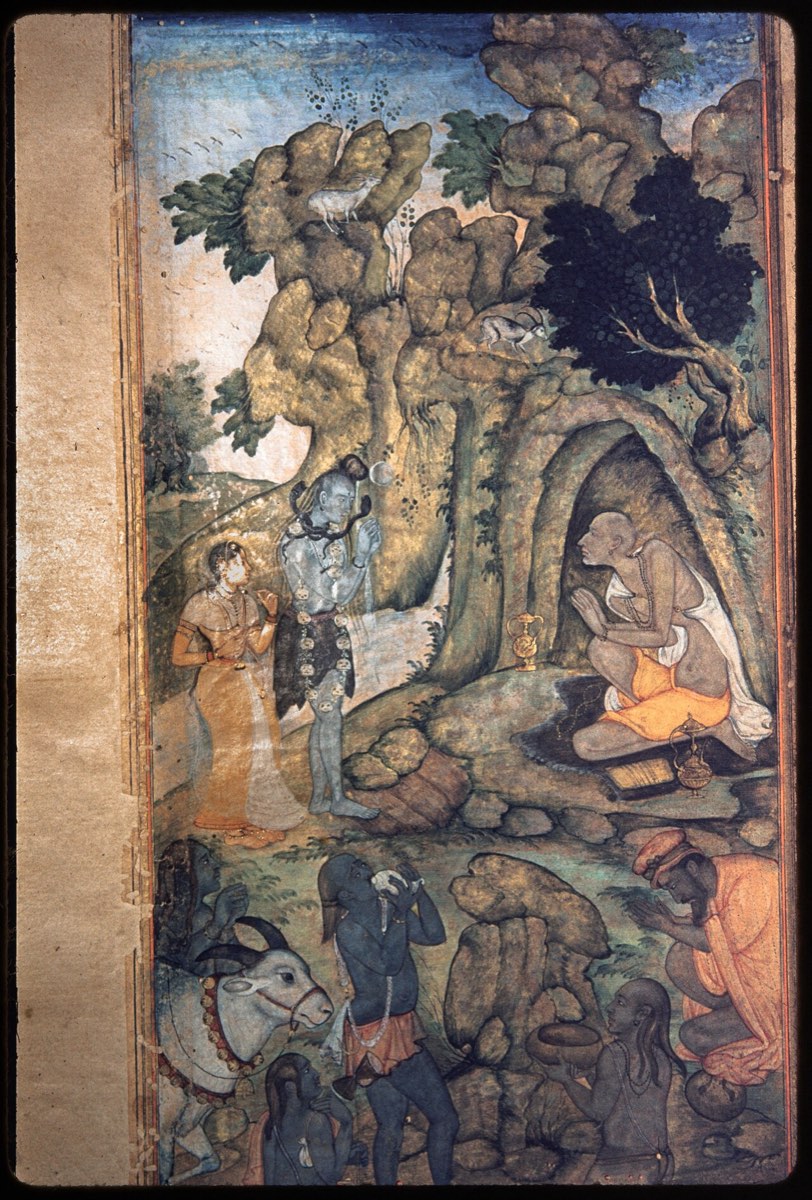
The tradition offers more than one route to dissolution, and the swami presents them as complementary. Through yoga, through meditation, the mind's fluctuations cease until samādhi, a state in which it falls silent and consciousness shines alone. Through bhakti, devotion, the mind merges into love for a divine figure, such as Krishna, Shiva or Ramakrishna, and stops being occupied by desires. Through karma yoga, the practitioner serves others as manifestations of the divine, and the ego that separates dissolves. Through jñāna, direct knowledge, one investigates that what is seen depends on the one who sees, meaning depends on the mind, and the mind itself ultimately rests on consciousness.
An exercise in attention
The Yoga Vasiṣṭha offers an image for the path of knowledge: offering the world to the fire of perception, perception to the fire of the mind, and the mind to the fire of consciousness. The swami translates it into a simple exercise. One observes an object, such as a flower, a candle or a wall. One notices that it exists, for the one who sees it, only while it is being perceived. Attention then turns to the very act of seeing, and one asks who sees. Afterward, silence.
It is a contemplative practice, not a method with effectiveness proven by studies.
Freedom without coldness
A common objection is that a dissolved mind would be a cold mind. The swami's answer is that it does not drown in emotion, but neither does it harden. He cites Ramakrishna, who could feel pain without losing his inner bliss, and Vivekananda, who found life hilarious and, at the same time, founded schools, hospitals and relief services. Freedom, in this reading, is action without attachment and compassion without fear.
Dissolving the mind would therefore not be the end of thought, but the end of enslavement to it. The question that remains is how someone recognizes, in daily life, the difference between the two.
Sources and references for this article
Swami Sarvapriyananda, lecture on the dissolution of the mind based on the _Yoga Vasiṣṭha_
Vidyāraṇya, _Jīvanmukti Viveka_
_Yoga Vasiṣṭha_
Yoga Vasistha, English Wikipedia (structure, philosophy and dating of the text)Advaita Vedanta, WikipediaTranslated from Portuguese. This article was rewritten from a post on the original blog, in Portuguese. Read the original
Read next
 Vedanta and YogaListening to see: what Vedānta asks of those who want to know themselves
 Vedanta and Yoga · VideoWhat Dies When Someone Dies? The Answer from Ramana Maharshi and Advaita Vedanta
 Science and consciousnessVedānta and quantum physics: what the observer has to do with reality
 Western esotericism · VideoWhat was Gnosticism: a dualist heresy, or a path of self-knowledge?
 Vedanta and Yoga · VideoKarma Yoga: acting without attachment to the fruits, the yoga of action