Guide
Gnosticism: what it was, Nag Hammadi and the lost texts
Gnosticism saw the world as an error and gnosis as the way out; the Nag Hammadi texts, found in 1945, show what these groups said about themselves.
5 min read · Read next, in this order
In 1945, an Egyptian farmer named Muhammed al-Samman was digging near the town of Nag Hammadi, in Upper Egypt, when his hoe struck a sealed clay jar. Inside, thirteen leather-bound codices held texts no one had read in over fifteen hundred years: gospels, revelations and treatises of Christian groups defeated by the orthodoxy that was taking shape, gathered today under the modern label of Gnosticism.
Before that find, almost everything known about the Gnostics came from their opponents, bishops such as Irenaeus of Lyon, who fought them in treatises like Against Heresies. Nag Hammadi gave the Gnostics, for the first time in more than a millennium, the chance to speak for themselves. This guide explains what Gnosticism was, what the discovery brought to light, and where historical research still disagrees.
What Gnosticism was
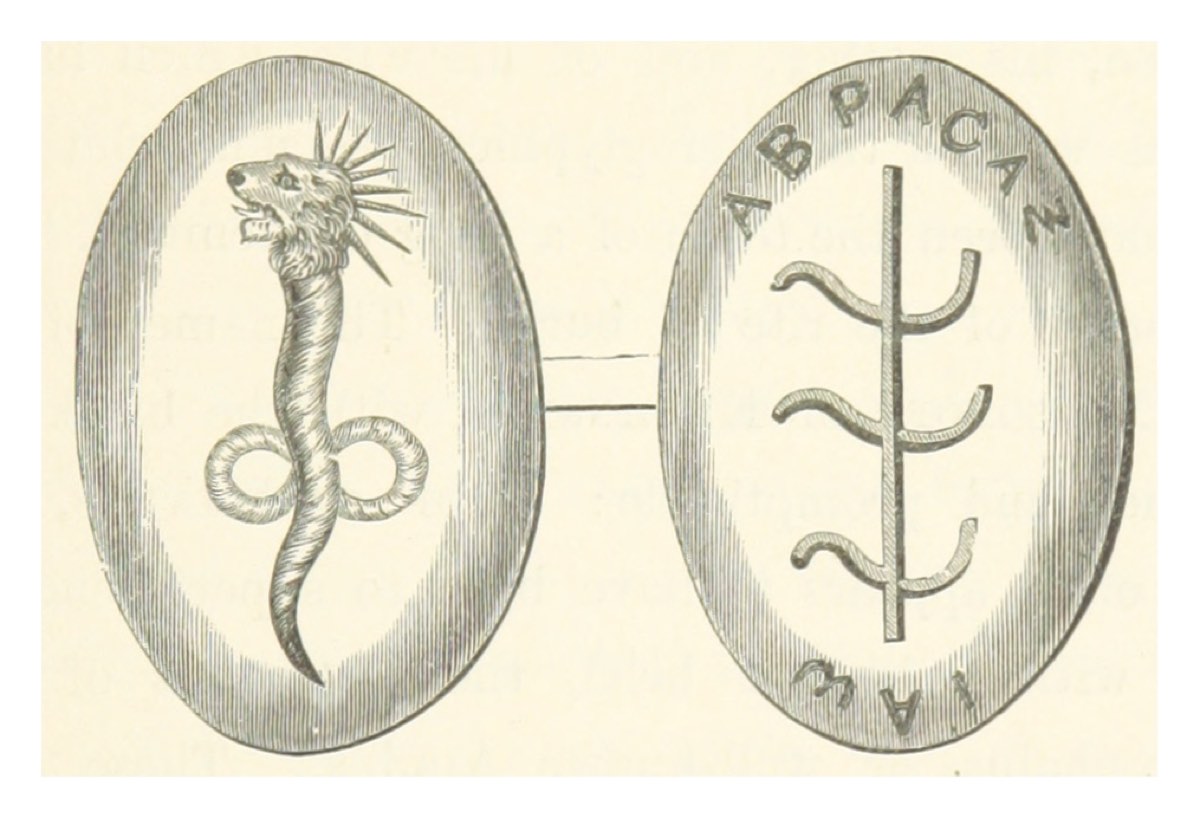
Gnosticism is a modern term, used by historians to describe different groups and ideas that developed largely within early Christianity and alongside it, reaching full form by around the second century. It was not a single religion with one shared creed, but a set of schools sharing one emphasis: gnosis, direct spiritual knowledge, mattered more than the authority of traditions and institutions. The typical worldview of these groups distinguished a hidden, uncorrupted supreme being from a lesser, flawed creator, the demiurge, responsible for the material universe, understood as a kind of error or prison. The overview of Gnosticism's origins, schools and texts covers this full history, and an introduction to the topic addresses the question that the Nag Hammadi find reopened.
The discovery that changed everything
The twelve complete codices, plus a fragment of a thirteenth, found in the 1945 jar gather 52 mostly Gnostic texts, three works from the Corpus Hermeticum, and a partial, altered translation of Plato's Republic. The collection is now known as the Nag Hammadi library, and its value lies in showing, in these groups' own words, the diversity of an early Christianity that did not yet have a closed canon or institutional unity. The guide to the Nag Hammadi documents covers the discovery and its impact.
The academic world only became fully aware of the find in 1946, and the path to a full translation was slow: only in the 1970s did researcher James Robinson piece together the story of the discovery with the farmer involved and coordinate the edition that made the texts available in English. That decades-long work, more than the discovery itself, is what gave the Gnostics a voice of their own again, after nearly two thousand years of being described only by their enemies.
The Apocryphon of John and the Gnostic cosmology
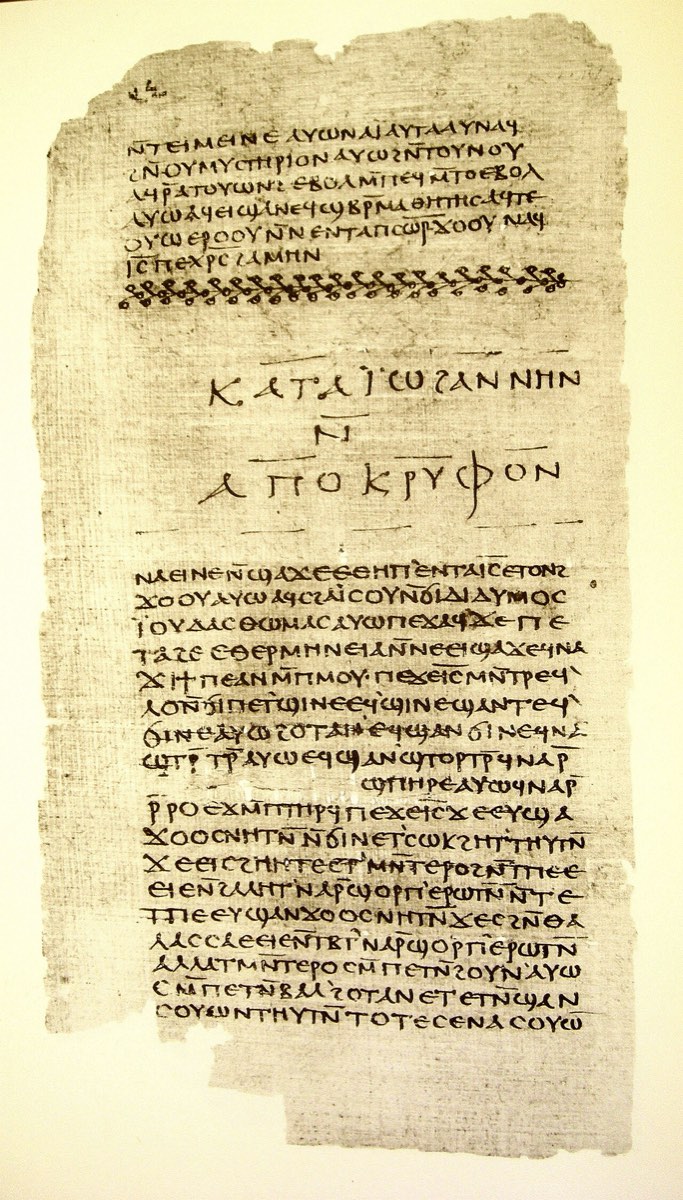
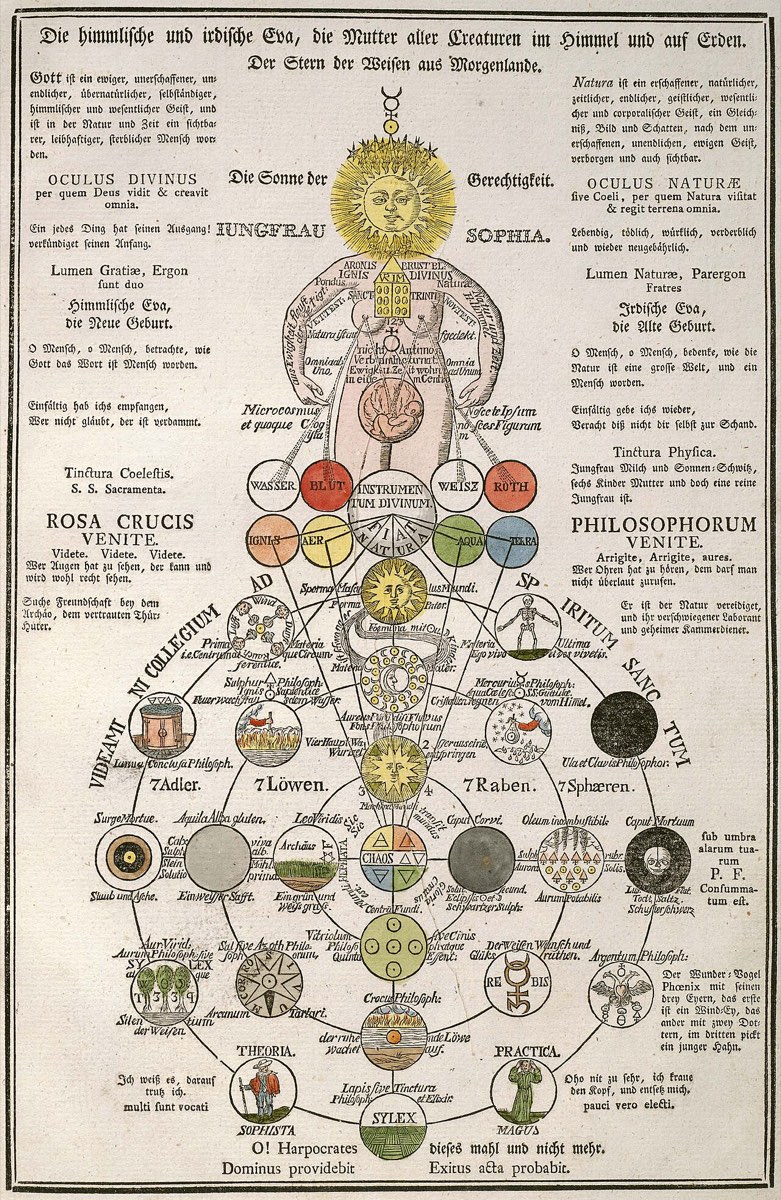
Among the most cited texts is the Apocryphon of John, a second-century work attributed to the apostle John, though the real authorship is someone else: writing under the name of a recognized authority was a common practice at the time. Bishop Irenaeus of Lyon already knew of it and argued against it before the year 180, which shows the text was circulating decades before it was buried in Egypt. It recounts a secret revelation: the female entity Sophia makes an error by creating without a partner, and from that error the demiurge is born, the creator of the material world, surrounded by archons, rulers who would trap the spirit in matter. A closely related cosmology appears in the Hypostasis of the Archons, which rereads the opening chapters of Genesis through the same lens. Both texts are covered in Apocryphon of John: Barbelo, Sophia and the false god and in the world as error and gnosis as the way out.
The Gospel of Mary and other voices
Not every discovery came from Nag Hammadi. The Gospel of Mary surfaced earlier, in 1896, in a fifth-century Coptic codex bought in Cairo by the German diplomat Carl Reinhardt, with additional Greek fragments later found among the Oxyrhynchus papyri. No complete copy survives. In what remains, Mary Magdalene consoles the apostles after Jesus's departure, recounts a vision she received from him, and faces the apostle Peter's distrust of her authority to teach, a dispute most researchers read as an echo of real tensions within the earliest Christian communities.
The Tripartite Tractate, one of the longest texts from Nag Hammadi, belongs to the school of Valentinus and organizes a more elaborate narrative in three parts: the relationship between the Father, the Logos and the aeons; the fall of a young aeon that gives rise to the demiurge and matter; and the role of a Savior in the final restoration. Both texts are covered in the Gospel of Mary and in the Tripartite Tractate.
Dualism, monism and what is still debated
One debate Nag Hammadi reopened, without settling, is whether Gnosticism was in fact dualist, that is, whether it opposed evil matter and good spirit as two separate, permanent principles, a reading that comes mainly from its Christian opponents. With the original texts in hand, part of current research favors readings closer to monism, in which separation is an error to be corrected, not a final division of reality. This discussion is at the center of what Gnosticism was: a dualist heresy or a path of self-knowledge.
Another point tends to cause confusion outside academia: the idea that the Church "erased" or "altered" the Bible to bury the Gnostics. Textual criticism shows something simpler and far better documented: no original of any biblical book survives, the ancient copies have variants among themselves, and researchers catalogue those differences openly, with no sign of a coordinated plan of concealment. The dispute between orthodox Christians and Gnostics was theological, over who Jesus was and what saves, waged out in the open in treatises such as Irenaeus's, as shown in the analysis of the canon's formation and the sacred texts.
Gnosticism lost that dispute. Its texts survived by accident, buried in a jar in the Egyptian desert for nearly two thousand years, and only by accident could they, at last, be read without the filter of those who fought them.
Read next, in this order
1TraditionGnosticism: origins, schools, texts, and what survived the repression2TraditionWhat was Gnosticism: a dualist heresy, or a path of self-knowledge?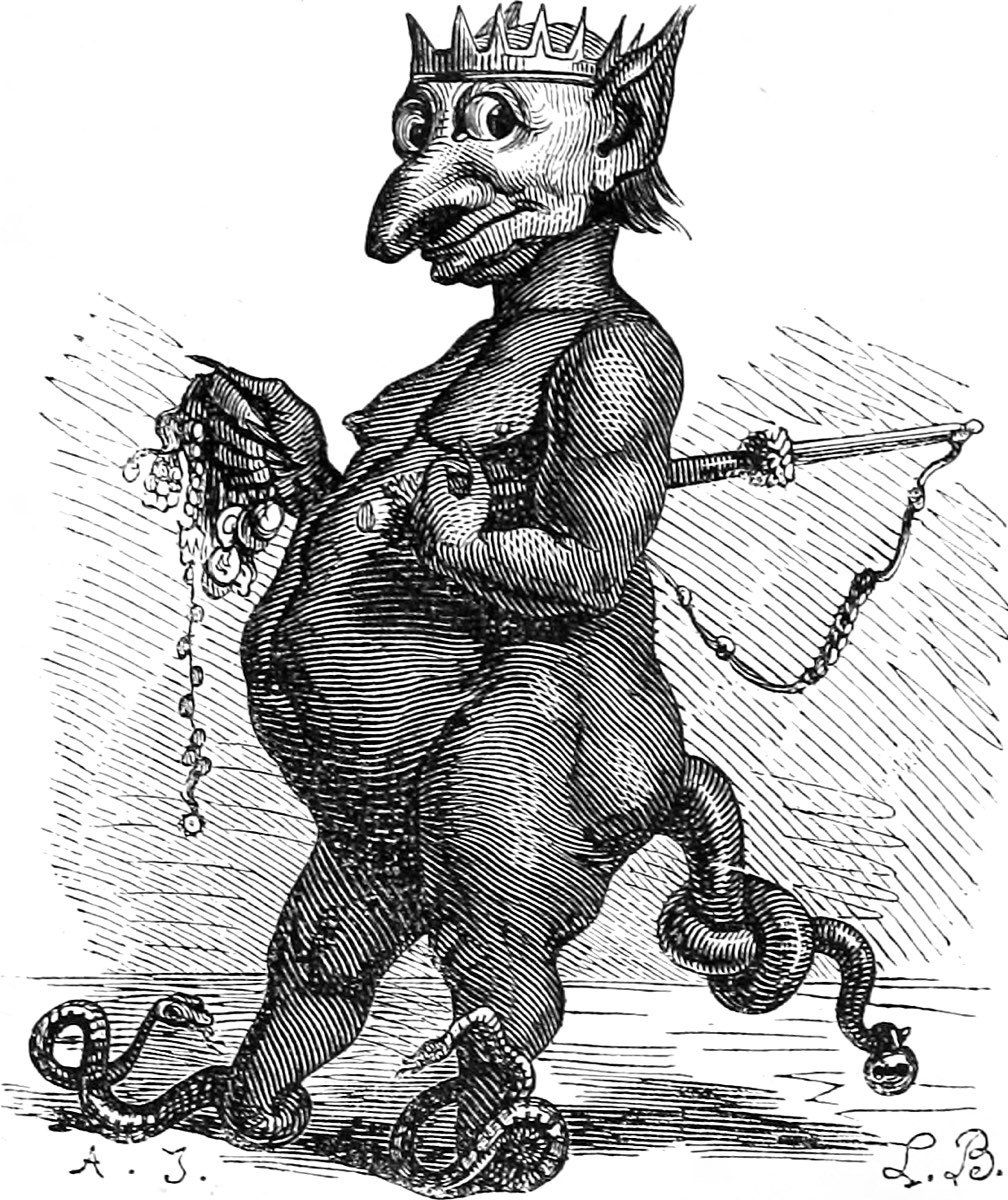 3TraditionNag Hammadi: the 1945 jar that revealed a Christianity in dispute
 4TraditionApocryphon of John: Barbelo, Sophia and the false god, in the Gnostic text from Nag Hammadi
 5TraditionThe world as mistake and gnosis as the way out: the Gnostic cosmology of the archons
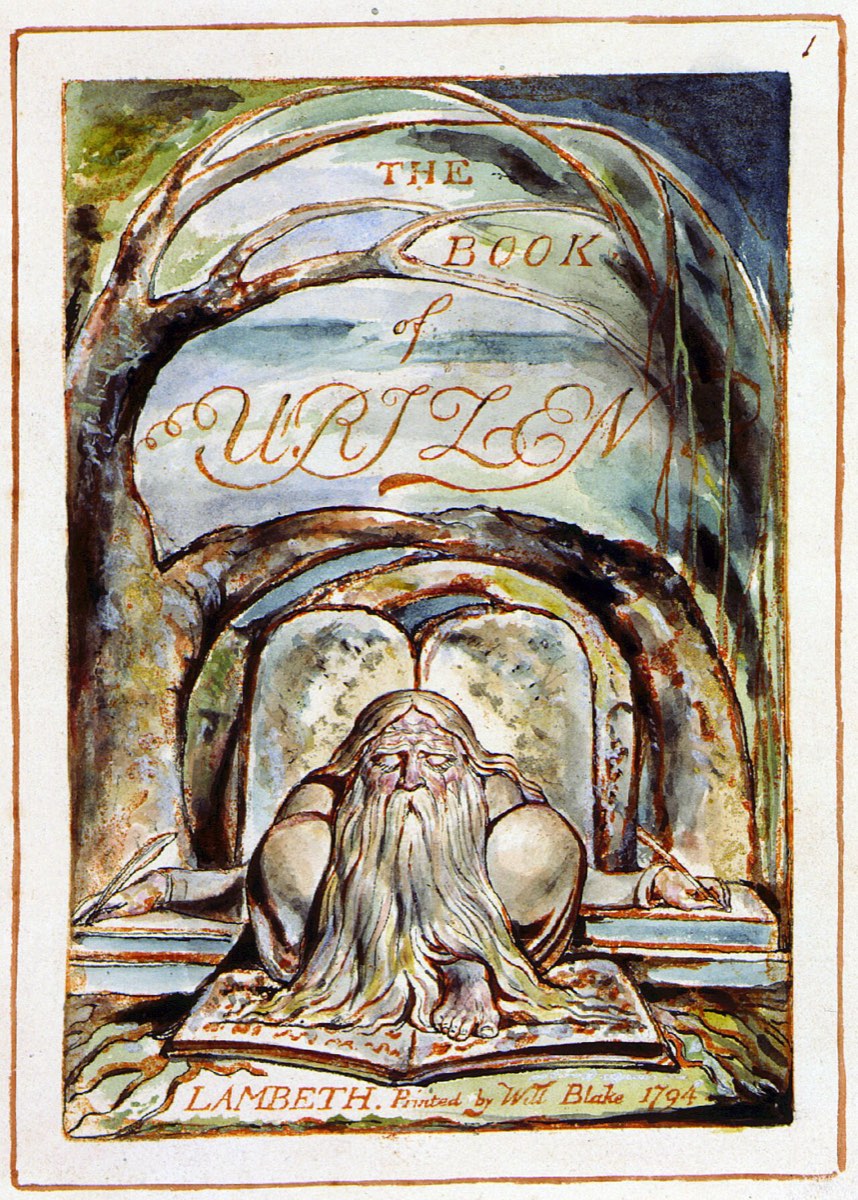 6TraditionThe Gospel of Mary: the ancient text in which Magdalene teaches and Peter doubts her
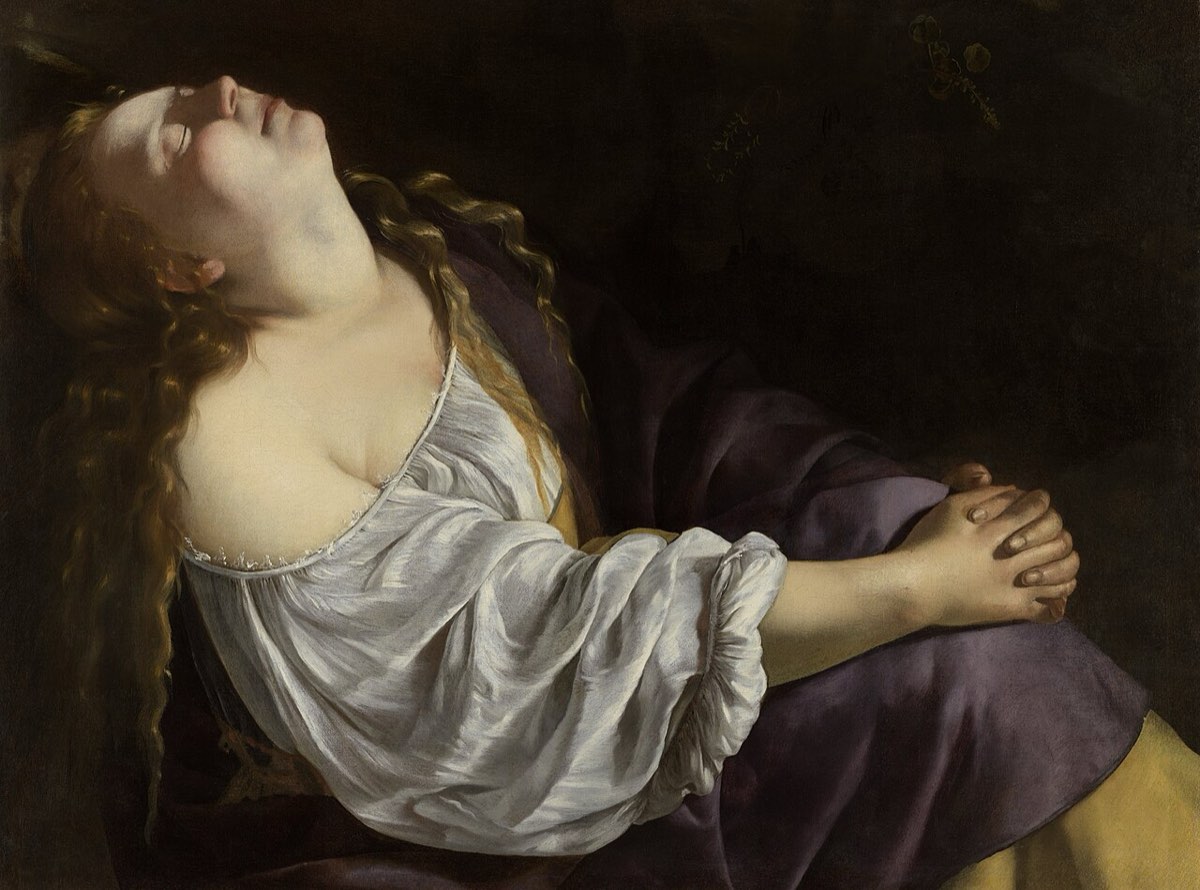 7TraditionThe Tripartite Tractate: how a gnostic text explains the Father, the fall, and the return
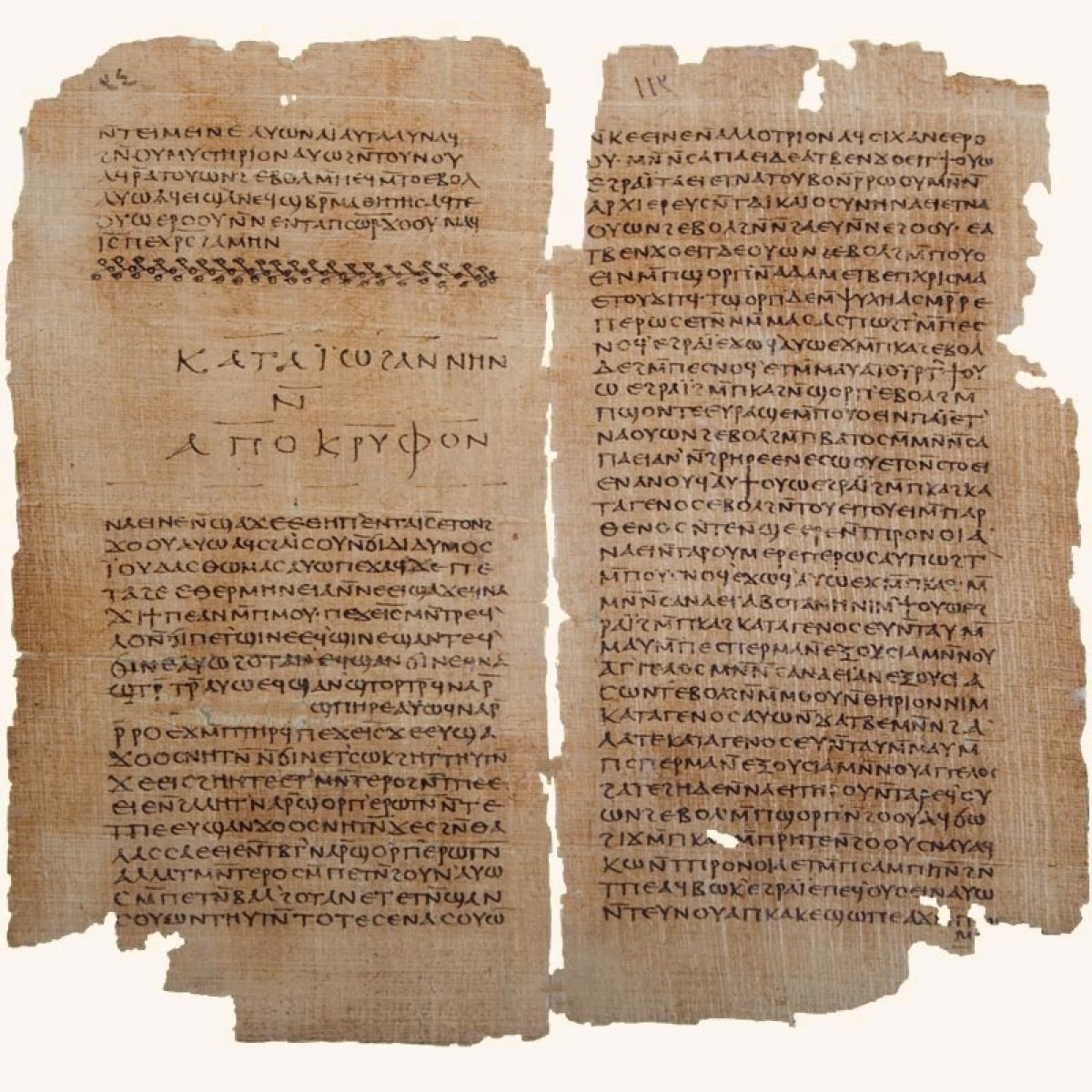 8ScienceWas the Bible tampered with? What textual criticism and canon history show
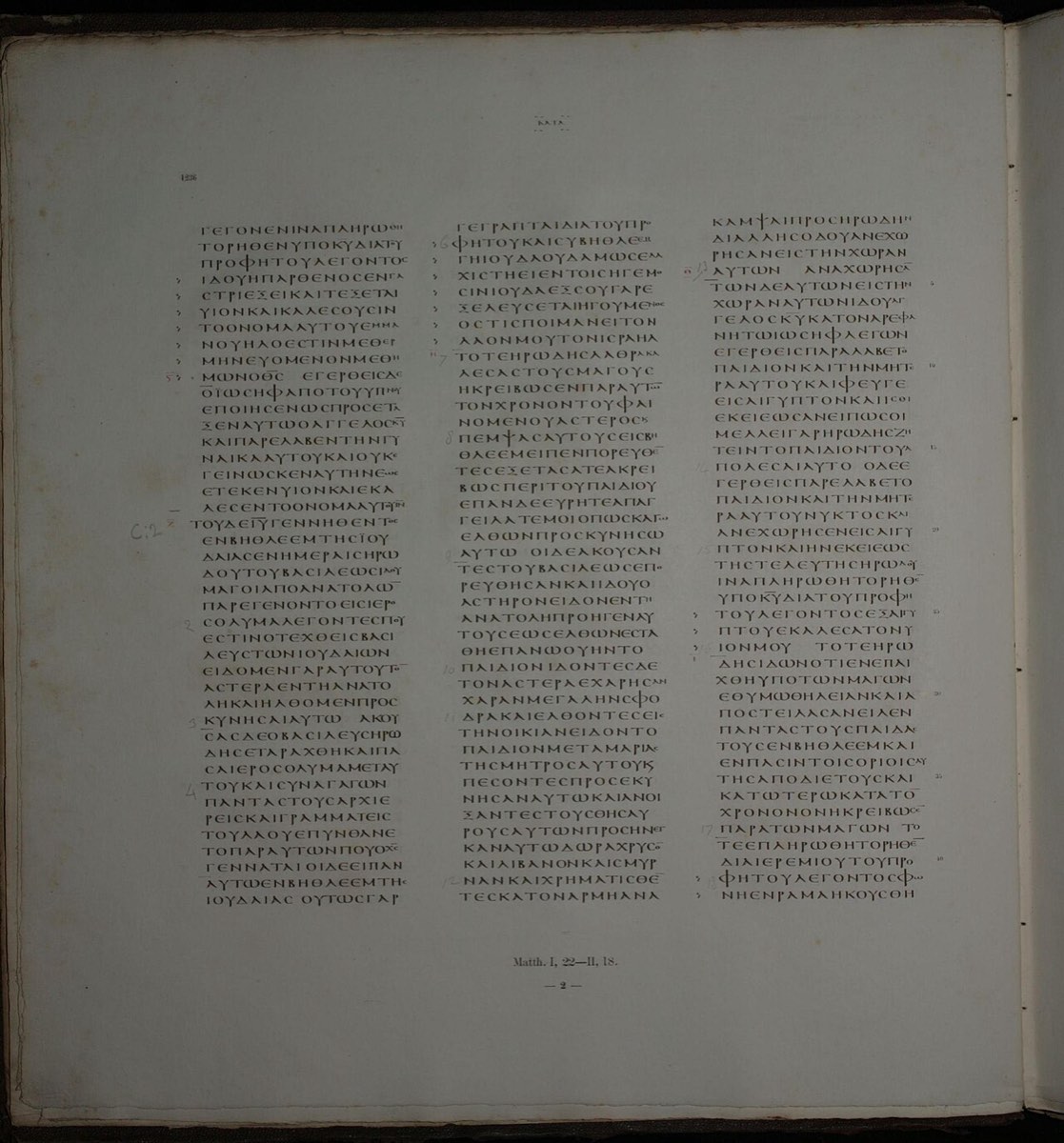
Frequently asked questions
What was Gnosticism?
A set of religious ideas and groups that developed up through the second century, within early Christianity and alongside it. It valued gnosis, direct spiritual knowledge, above the authority of institutions.
What is the Nag Hammadi library?
Thirteen leather-bound codices of Gnostic and related texts, buried in a sealed jar and found in 1945 by an Egyptian farmer near the town of Nag Hammadi. It is the main direct source on the Gnostics.
What is the Apocryphon of John?
A second-century Gnostic text, attributed to the apostle John, that recounts a secret revelation from Jesus about the origin of the world: the error of the entity Sophia and the birth of a flawed creator, the demiurge.
What does the Gospel of Mary say?
A second-century text found in 1896, before Nag Hammadi, in which Mary Magdalene consoles the apostles, recounts a vision she received from Jesus, and faces Peter's distrust of her authority.
Was Gnosticism dualist?
It was described that way by its Christian opponents, who saw it as a total opposition between evil matter and good spirit. The Nag Hammadi texts show more varied readings, and the debate over dualism and monism continues.
Was the Bible altered to bury Gnosticism?
There is no evidence of a central plan of concealment. No original of any biblical book survives and the copies have variants, but textual criticism documents this openly; the dispute with the Gnostics was theological, not a hidden forgery.