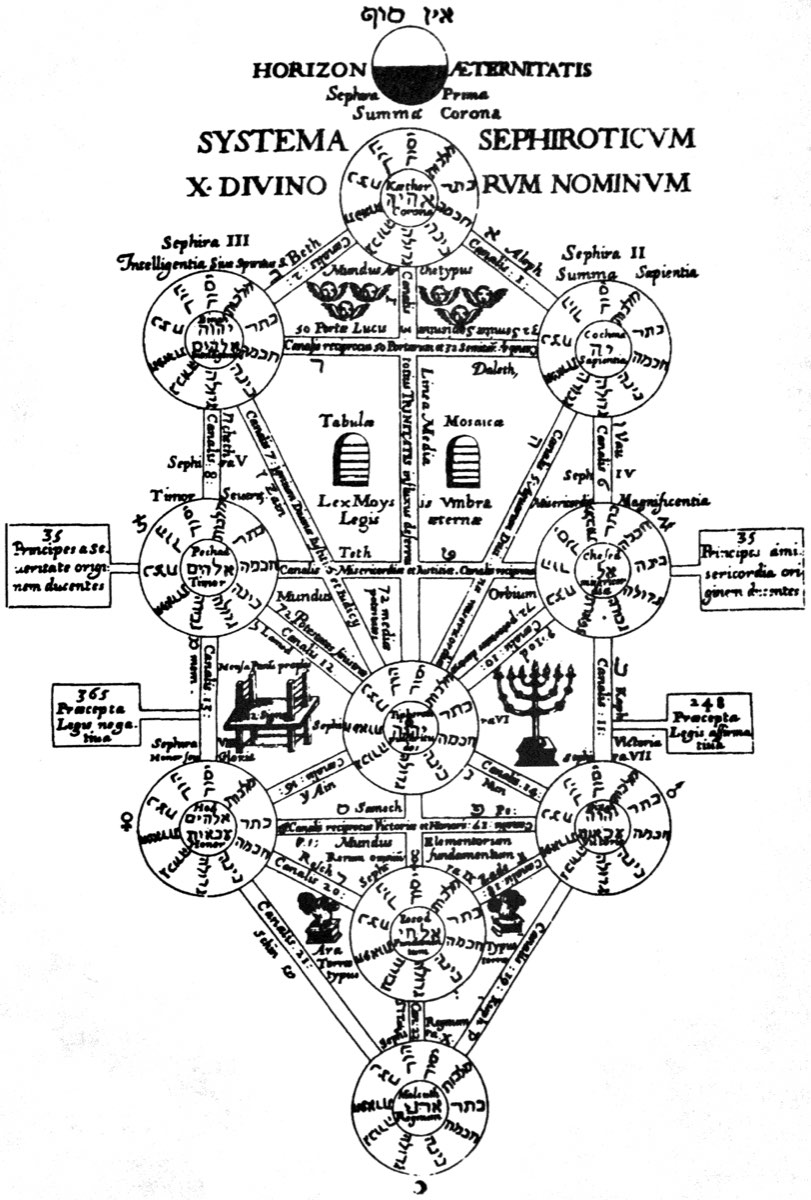
The All is Mind: the universe as a mental creation, according to Hermeticism
For the Kybalion, the ALL is mind and the universe is its mental creation: held within its mind, without being confused with it, like Romeo and Shakespeare.
· 3 min read · Sources
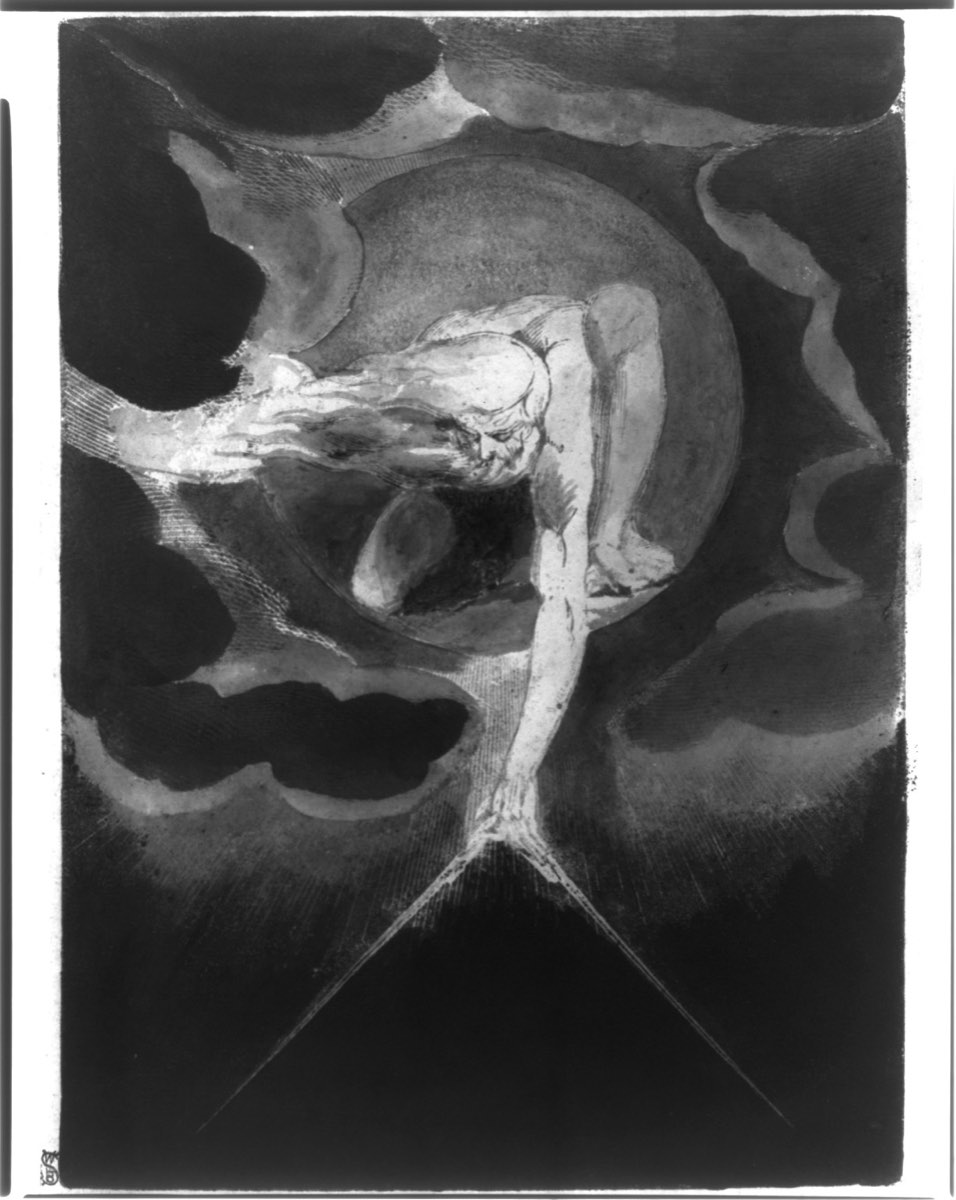

In 1 minute
- The Principle of Mentalism holds that everything that exists happens within the mind of the ALL, and is not about positive thinking but about what exists.
- The ALL could only create with mind, since nothing exists outside it and it cannot divide itself; the human mind creates on a smaller scale, a difference of degree.
- The world would be a useful illusion, a school of self-knowledge, and no one would be an orphan in the universe; these are Hermetic ideas, not scientific ones.
Full article
Shakespeare created Romeo in his imagination, but Romeo cannot say "I am Shakespeare." It is the comparison teachers at philosophy schools such as Nova Acrópole use to explain the Principle of Mentalism, the fifth chapter of The Kybalion, which holds that the ALL is mind and the universe is mental. We would be like Romeo: held within the mind of the one who thinks us, without being the one who thinks.
The Kybalion, published in 1908 under the pseudonym "Three Initiates," organizes Hermeticism into seven principles. The ALL is the name it gives to ultimate reality, what other traditions call God, Spirit or Supreme Consciousness. The claims that follow belong to that tradition, not to scientific study, and it helps to start with what the principle is not.
More than positive thinking
Mentalism is not self-help or a visualization technique. It is not about how to think in order to obtain things, but about what exists: everything, visible or invisible, would happen within the mind of the ALL. The universe, then, would not be an objective, external reality but a mental creation of the ALL, one that is not to be confused with the ALL itself.
The world as a stage
Drawing on Egyptian philosophy, the teachers describe the world as a stage set up between the sky, Nut, and the earth, Geb, where time and space exist so that beings may have experiences. Like a play, everything is transient: it leaves lessons but does not last. What was lived would not be real in an absolute sense, but would hold real value as an experience of consciousness.
How the ALL creates
The logical question is how the ALL, absolute, infinite and without parts, could create anything. The answer attributed to Hermeticism follows three steps. It cannot create outside itself, because everything already is itself. It cannot take anything from itself, because it does not divide. What remains is to create with mind, something human beings do on a smaller scale. The universe would then be a mental work bearing the essence of the ALL, without being the ALL.
The human mind, limited as it is, also creates ideas, narratives and images that carry power and effect, even without being real on the material plane. Between the human mind and the divine, then, the distance would be only one of scale.
A useful illusion
The world we touch and see would be maya, illusion, a term from the Indian tradition. That does not make it useless: every event, relationship, loss or achievement is an occasion for self-knowledge. The preferred image is that of a school, where one learns to recognize who one truly is.
The pulse of the ALL
The ancients pictured the ALL as a cosmic heart. In systole, it manifests the universe. In diastole, it draws everything back in. The movement is eternal, but even eternity, according to the Hermetic tradition, would one day end: at the close of each cycle, the ALL would gather back what it created, along with the learning of every being.
Hence the comparison, held to be the most beautiful, between the human heart and that of the universe. The silent pain of someone who has hurt another would not be guilt, but the ALL calling them back to the path. That inner voice, which feels rather than argues, would be a direct route to the divine.
Spirit and matter
There is also a reading of the principle of gender, generally understood as masculine and feminine, at a higher level: Spirit, the Father, fertilizes; Matter, the Mother, generates; and creation is the fruit of that union. Since both are sacred, denying either one would lead to fanaticism, whether mystical or materialist.
No one is an orphan
The chapter closes with a passage from The Kybalion stating that the mortal child lives at home, within the mind of the Father-Mother, and that no orphan exists in the universe. The person would be, and always has been, in the lap of the ALL, and simply recognizing it would be enough to return home. The universe, in this reading, exists neither to punish nor to serve, but to educate, and life, however chaotic it may seem, would be part of a plan of evolution.
Sources and references for this article
Nova Acrópole lecture on the Kybalion, chapter 5
_The Kybalion_, chapter 5: The All is Mind
Kybalion, Wikipedia (published in 1908, and the seven principles)The Kybalion, Three Initiates, 1908 (full text in English, Project Gutenberg)Translated from Portuguese. This article was rewritten from a post on the original blog, in Portuguese. Read the original
Read next
 Western esotericism · VideoThe Kybalion and its seven principles: a 1908 book that speaks in Egypt's name
 Western esotericism · VideoThe seven hermetic principles of The Kybalion and the legend of Hermes Trismegistus
 Vedanta and YogaKatha Upanishad: the young Nachiketas and the question Death tried to dodge
 Vedanta and Yoga · VideoIs the universe real? Advaita Vedānta's three answers, from creation to "never born"
 Western esotericism · VideoKabbalah and the Tree of Life: a mystical map of creation, the soul, and the way back