The Kybalion, chapter 11: the Principle of Rhythm and not being swept along by the pendulum
For the Kybalion's Principle of Rhythm, everything swings, and motion to one side is compensated by motion to the other; the way out is to watch the pendulum and choose where to fix oneself.
· 4 min read · Sources

In 1 minute
- The Principle of Rhythm, from The Kybalion, holds that everything swings, and that motion to one side is compensated by motion to the other, from emotions to historical cycles.
- In Nova Acrópole's reading, one can live as a passenger on the pendulum or as a conscious pilot who chooses where to fix themselves, through self-knowledge, will, and repetition.
- Returning to the same point with more wisdom would turn the cycle into a spiral, and the will would be trained like a muscle.
Full article
Planets spin, tides rise and fall, euphoria turns to sadness and back again. Chapter 11 of The Kybalion, devoted to the Principle of Rhythm, treats all of this as a single law: nothing stays fixed. The Nova Acrópole lecture behind this piece goes further and asks what a person can do in the face of a swing that never stops.
The Kybalion, published in 1908 under the pseudonym “Three Initiates,” organizes hermetic philosophy into seven principles. Rhythm is the fifth, following Polarity. The ideas about will, neutralization, and a higher identity belong to the hermetic tradition and to the lecture, not to scientific studies. What science does confirm, in a narrower sense, are measurable biological rhythms, such as the roughly 24-hour sleep-wake cycle.
Everything swings
The book sums up the principle this way: everything flows and ebbs, everything has tides, everything rises and falls, and the measure of the swing to the right is the measure of the swing to the left. Rhythm, in other words, always compensates. The image is of a pendulum, swinging between the two poles described in the previous principle.
The lecture applies the idea to emotions, which run from euphoria to sadness, and to historical cycles, which alternate between spiritualism and materialism. It applies equally to culture, art, the economy, relationships, beliefs, and stages of life. Recognizing the motion means accepting that it is inevitable. Being swept along by it, the teacher says, is optional.
Passenger or pilot
There are two ways to live under rhythm. In the first, the person is an unconscious passenger: up one moment, down the next, with no direction. In the second, they are a conscious pilot, who watches the swing but chooses where they want to be. The teacher's comparison is between someone driving the car of their own consciousness and someone riding blindfolded in the back seat.
The pendulum shows up in pairs such as fear and courage, anxiety and apathy, pride and shame, depression and euphoria. The wider the swing, the greater the energy spent, like a car driven with sudden bursts of acceleration and braking.
Fixing oneself on high
For The Kybalion, the secret is to fix oneself on high. The book describes the hermetic master as someone who polarizes at the point where they wish to rest and neutralizes the swing that would pull them to the other pole, applying what it calls the Law of Neutralization. Hermeticists would not cancel the principle, but learn to use it rather than be used by it.
The lecture names three requirements. The first is self-knowledge, to identify one's own emotional patterns. The second is will, to refuse mental relapses. The third is conscious repetition, which cultivates perseverance and consistency. The pendulum keeps moving, but a person can decide “I will not go down again.” In practice, that means telling an unwanted state that it is behind you, and when the temptation returns, not identifying with it. This is not about denying the shadow, but about recognizing that it no longer defines who one is.
Every gain has a price
The lecture notes that rhythm also compensates on the moral plane. Excess pleasure breeds exhaustion, pride, or guilt. Suffering lived with awareness breeds growth, wisdom, and strength. Success lived with vanity plants the seed of failure, while suffering borne with humility and purpose plants virtue. What one has and what one lacks are always paid for.
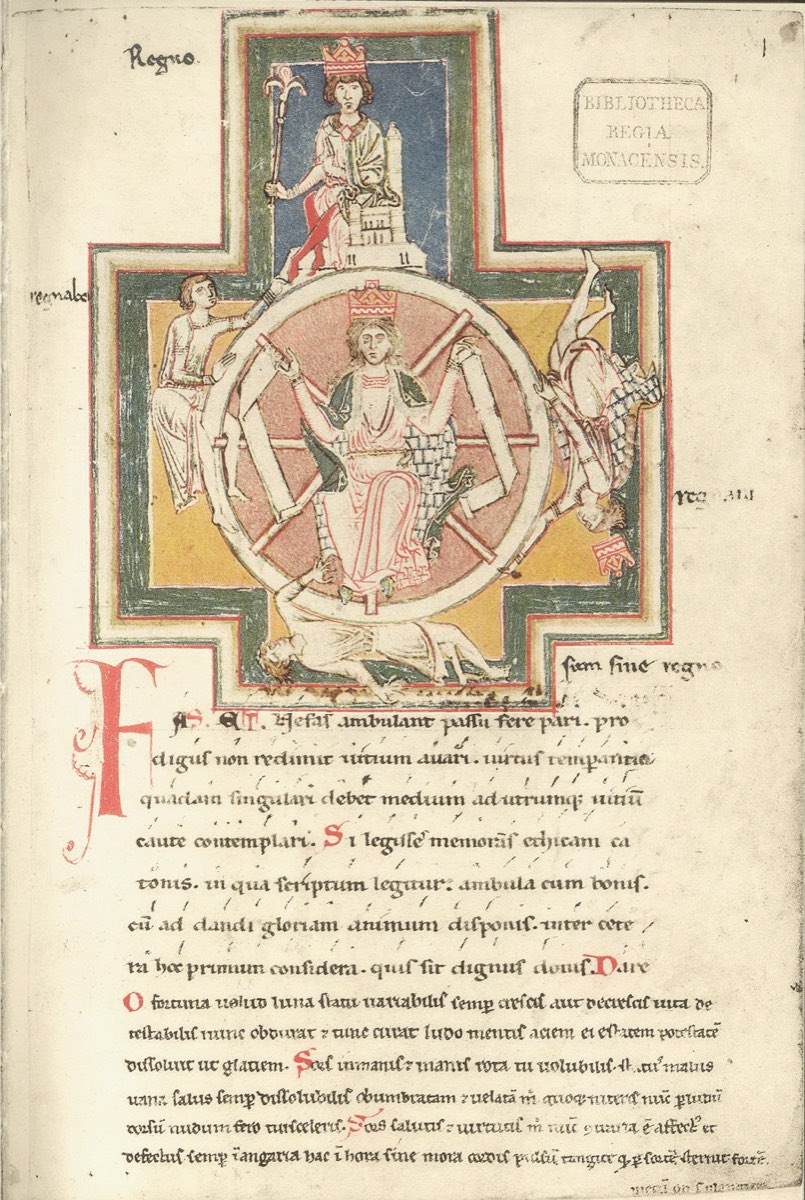
The symbol of the ouroboros, the serpent biting its own tail, illustrates how everything returns. But according to the teacher, returning to the same point wiser than before turns the circle into a spiral. Without learning, a person only spins in place; with it, they rise.
Will as a muscle
For the teacher, inner growth works like exercise: the body trains with load, the mind with focus, and the spirit with purpose. He recommends defining who you are, writing down ten virtues, and staying faithful to them. If an emotion is not on the list, it should be set aside, because the person is training a new self.
Lasting change, he says, is possible, though it demands persistence, awareness, and choice. He cites Plato, who is said to have erred once, said “never again,” and kept his word. The waves will keep coming, but it is possible to learn to surf them or, as people do on New Year's, to jump over them.
Being what you chose
The conclusion is that life is motion, but also choice. We are not made of instinct and reaction alone, and we can build ourselves step by step. The lecture closes with the advice to fix oneself where one wants to be and to remember, when the swing comes, that a person is what they chose to be, not what they feel in a passing moment. The next chapter of The Kybalion covers the Principle of Cause and Effect, linked to the idea of karma.
Sources and references for this article
Nova Acrópole lecture on The Kybalion, chapter 11
_The Kybalion_, chapter 11: Rhythm (Three Initiates, 1908; full English text, Project Gutenberg)Kybalion, Wikipedia (1908 publication and the seven principles)Circadian rhythm, Wikipedia (biological rhythms of roughly 24 hours)Translated from Portuguese. This article was rewritten from a post on the original blog, in Portuguese. Read the original
Read next
 Western esotericismA Hermetic manifesto against "selective blindness": mind, ether, and archons
 Western esotericism · VideoThe Kybalion and its seven principles: a 1908 book that speaks in Egypt's name
 Vedanta and Yoga · VideoUpanishads: what the 108 texts underlying Indian philosophy are, and what they teach
 Vedanta and YogaGita, lesson 12: heaven as a promise, and the search to feel at ease with oneself
 Western esotericism · VideoKabbalah in one hour: Gil Sheer's claim that it is a method, not a religion