Guide
Hermeticism and The Kybalion: Hermes Trismegistus and the seven principles
The Kybalion, from 1908, condenses Hermeticism into seven principles attributed to Hermes Trismegistus; see where the book and the tradition it invokes come from.
5 min read · Read next, in this order
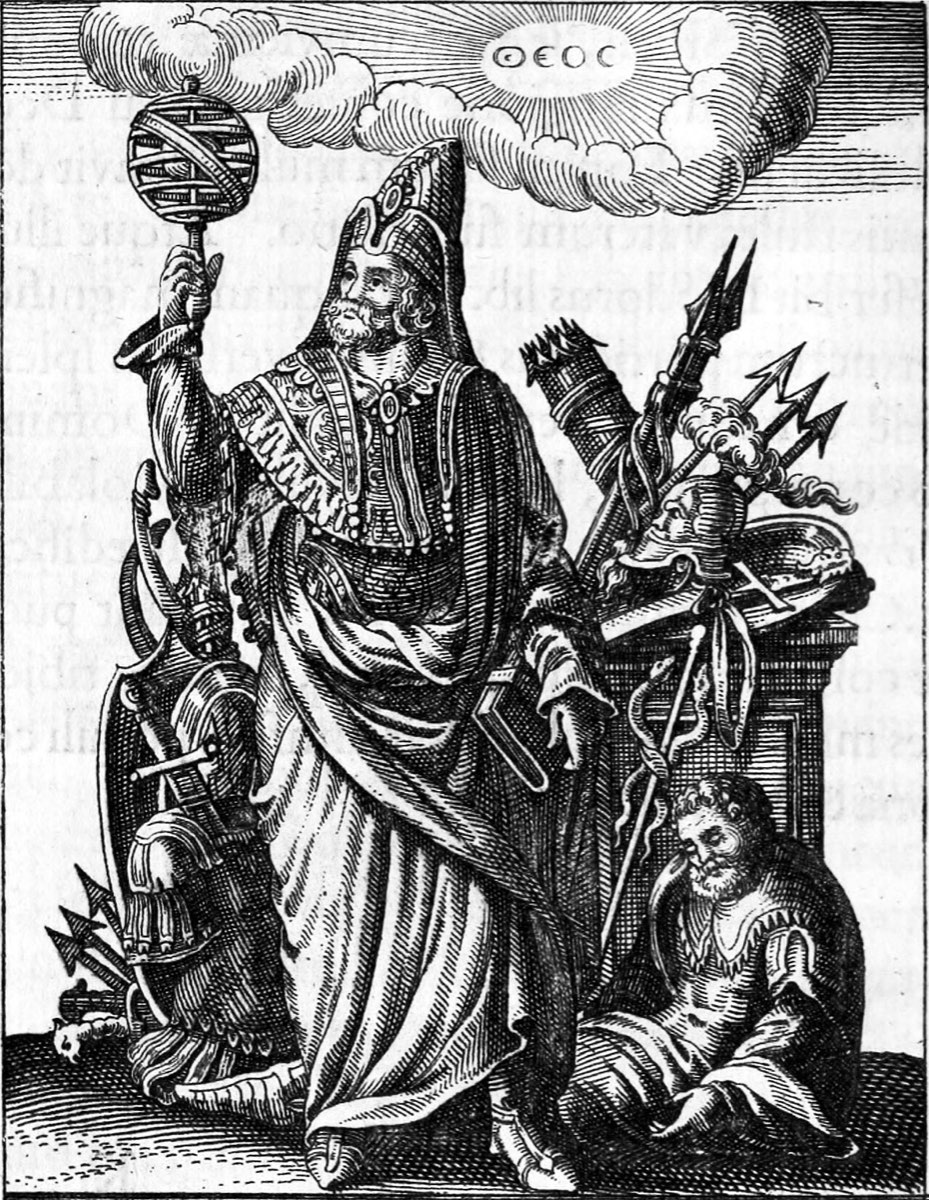
In 1908, a book signed by "Three Initiates" reached American bookstores claiming to set down, in writing for the first time, an oral teaching passed down for millennia from ancient Egypt: the Hermetic philosophy of Hermes Trismegistus. More than a century later, the book, known as The Kybalion, is still cited as a synthesis of ancient Egyptian wisdom. Historical research points to a different origin, far more recent and far more American.
That does not make the book irrelevant. It makes it interesting for a different reason: it shows how a genuinely ancient tradition, Hermeticism, can acquire a modern layer that disguises itself as ancient, and how the two can sit on the same shelf. This guide separates what Hermeticism is, who Hermes Trismegistus is, where The Kybalion comes from, and what its seven principles say.
What Hermeticism is
Hermeticism is the name given to the philosophical and religious traditions resting on texts attributed to Hermes Trismegistus, the Hermetica, produced over a long span, from roughly 300 BCE to 1200 CE, and for that reason quite different from one another in content and intent. A central core is the Corpus Hermeticum, a collection of 17 Greek texts written between the first and third centuries CE, concerned with a revelation about the divine, the mind and the cosmos, only gathered into a single collection by medieval Byzantine editors and translated into Latin in the fifteenth century by the humanists Marsilio Ficino and Lodovico Lazzarelli. A separate "technical" strand of the Hermetica deals with alchemy, astrology and magic, circulating alongside the philosophical strand without being confused with it.
It is this ancient body of texts, not The Kybalion, that historical research recognizes as Hermeticism proper.
Hermes Trismegistus, the figure who gives the tradition its name
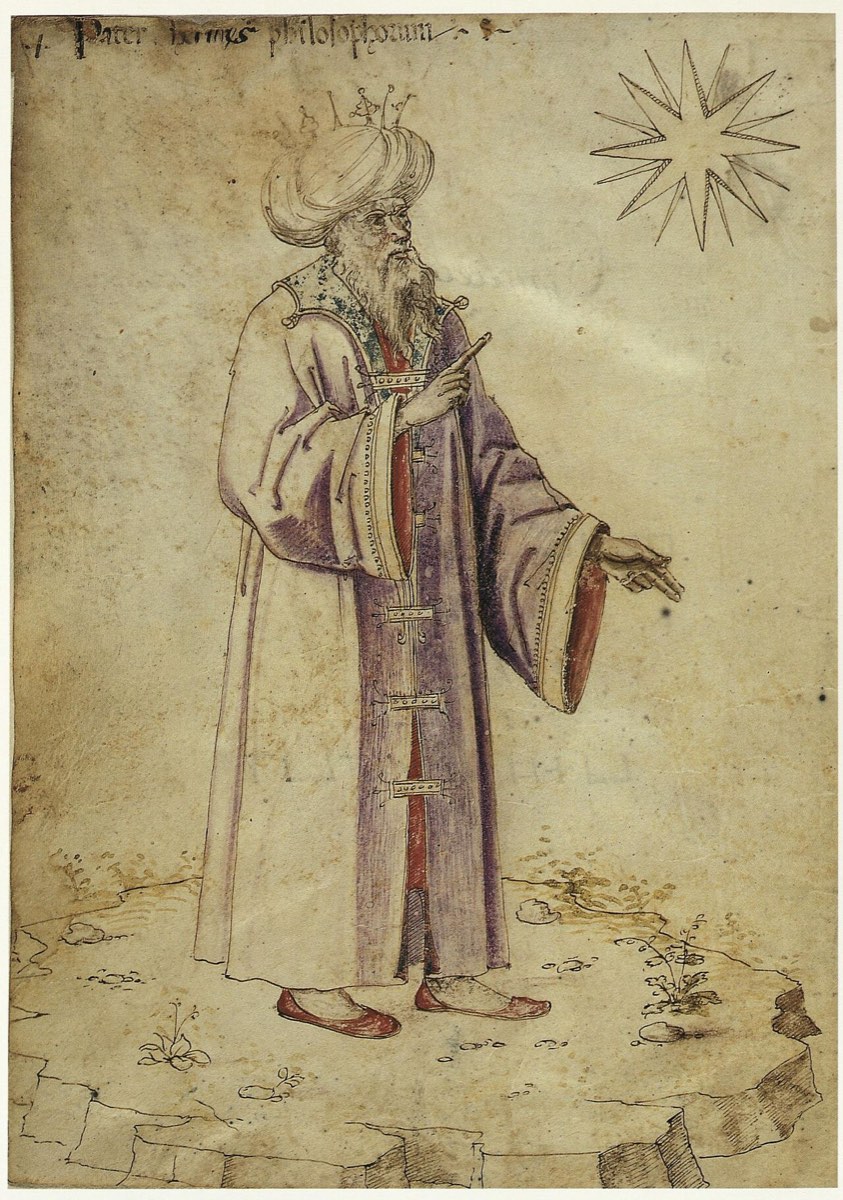
Hermes Trismegistus, "the thrice-great," is not a historical person: he is a syncretic figure fusing the Greek god Hermes, messenger and guide of souls, with the Egyptian god Thoth, patron of writing and knowledge. Legend presents him as the author of the Hermetic texts, but they are, in reality, the work of different authors, in different periods, all writing under that borrowed name, a common practice in antiquity.
Interest in the figure saw a second peak in Renaissance Europe, when Ficino and Lazzarelli's Latin translation returned the Corpus Hermeticum to circulation among humanists and occultists. It was that same prestige, that of an Egyptian wisdom held to be far older and superior to Greek thought, that The Kybalion, centuries later, would try to claim for itself.
The Kybalion: a 1908 book that speaks like an ancient text
The Kybalion (full title The Kybalion: A Study of the Hermetic Philosophy of Ancient Egypt and Greece) was published in 1908 by "Three Initiates," authorship frequently attributed by researchers to William Walker Atkinson (1862-1932), a central figure in the American New Thought movement, concerned with the power of thought over reality. The book presents itself as the first written version of a teaching passed down only orally since ancient Egypt and classical Greece.
The text shares some elements with the ancient Hermetica, such as philosophical mentalism and the maxim "as above, so below." But as a whole, historical research shows it owes far more to the occultist ideas of the early twentieth century, especially New Thought, than to the Corpus Hermeticum. It is a common pattern in the history of modern esotericism: a contemporary author organizes the ideas of his own time and presents them as the recovery of an ancient wisdom, which lends the text an authority it would not have if signed as a new work.
Even so, The Kybalion became one of the most influential books of esoteric circles since its publication, and remains in print and cited more than a century later. It is the starting point for the overview of the seven principles and the legend of Hermes Trismegistus and for a reading that situates the book between Egypt, Greece and the idea of thinking for oneself.
The seven principles, one by one
The Kybalion organizes its teaching into seven laws, which the book presents as valid on every plane of reality, from the physical to the mental:
- Mentalism: the ALL is Mind, and the universe, in this reading, is a mental creation.
- Correspondence: as above, so below; the same laws would hold from the body to the spirit.
- Vibration: nothing rests; from stone to thought, everything would vibrate, at different degrees.
- Polarity: good and evil are extremes of the same scale, not opposite and separate things.
- Rhythm: everything would swing between two poles, like a pendulum, including moods and the seasons of a life; knowing this would help one avoid being swept along by the motion.
- Cause and Effect: nothing would happen by chance; every effect would have a cause, even when it is not seen, and chance would be only an unidentified cause.
- Gender: all generation would arise from the union of two complementary principles, from the atom to the idea, a reading physics describes rather differently.
The site's reading series follows the book chapter by chapter, starting with the presentation of the tradition from teacher to disciple and the overview of the seven principles as a map for reading one's own life.
What remains, once the authorship is known
Knowing that The Kybalion is American and barely a century old does not invalidate the question it asks: what laws, if any, run through every plane of experience, from the body to the mind? The final chapter of the book adds no eighth law. It demands practice: describing principles is worthless if they do not change how someone thinks and acts the next day.
That may be why the book, despite its recent origin, keeps being read as though it were ancient: it offers seven simple sentences to organize an entire life, the kind of promise that outlasts any century. The question it asks, that one, is indeed far older than 1908, and older too than the Egypt the book invokes.
Read next, in this order
1TraditionThe seven hermetic principles of The Kybalion and the legend of Hermes Trismegistus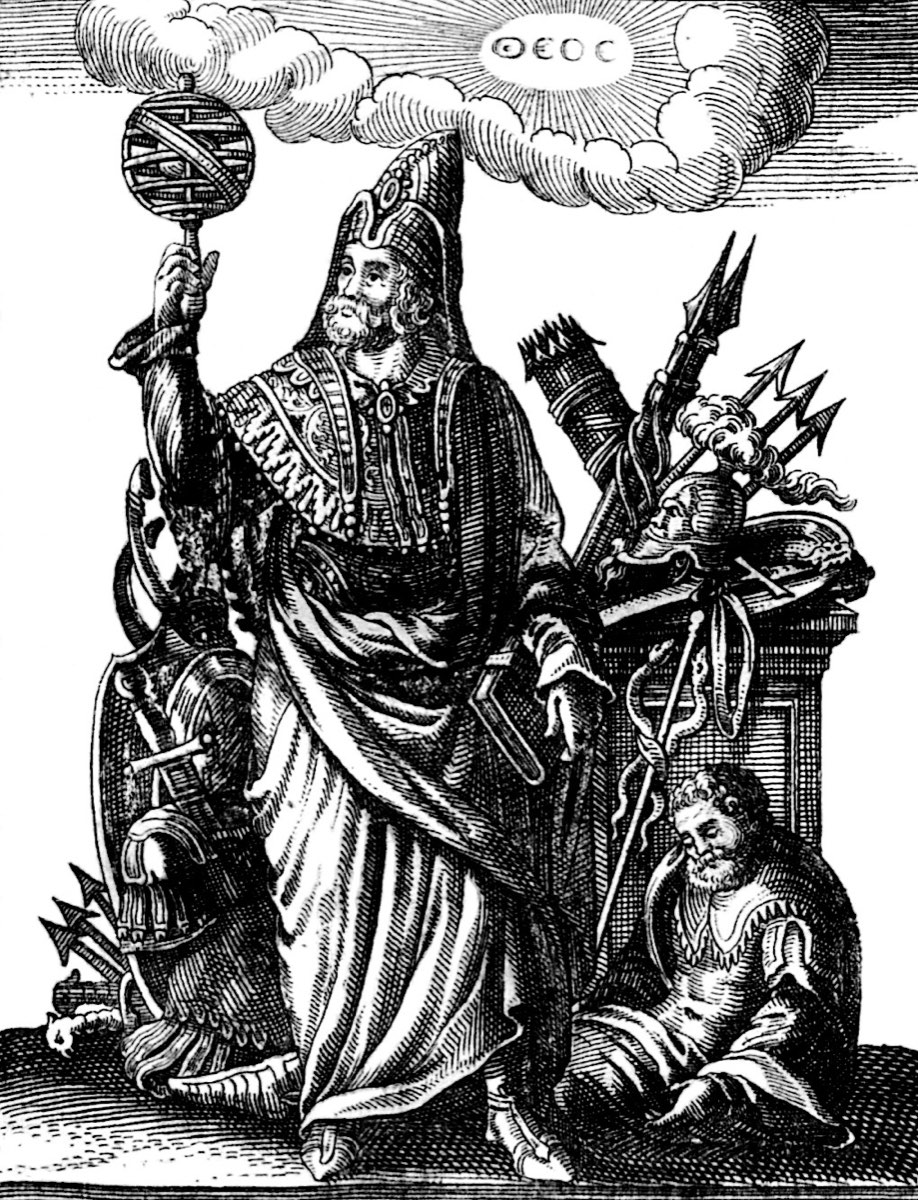 2TraditionThe Kybalion and its seven principles: a 1908 book that speaks in Egypt's name
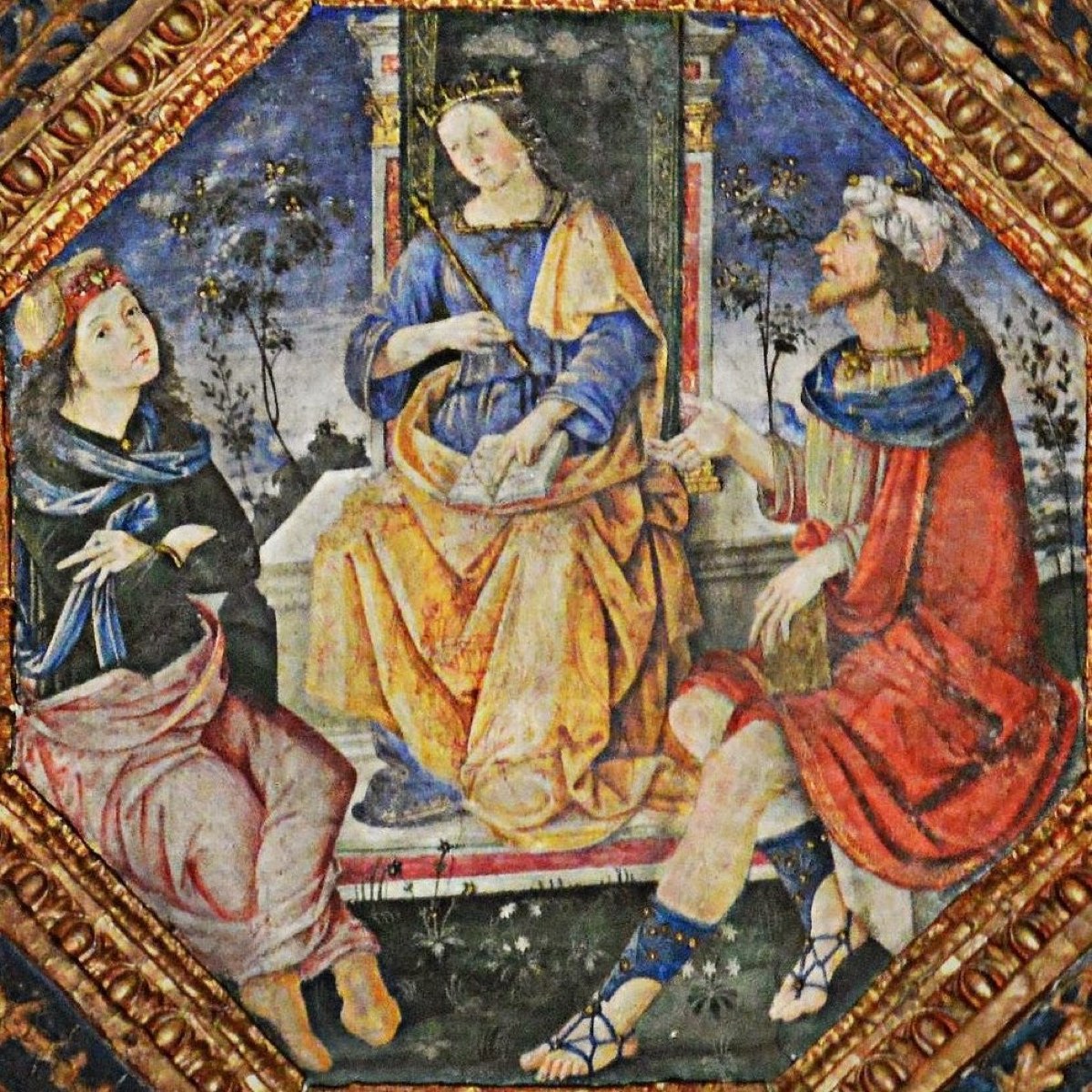 3TraditionThe Kybalion, chapter 1: a tradition from teacher to student, and what history says4TraditionThe Kybalion's seven hermetic principles: a map for your own life
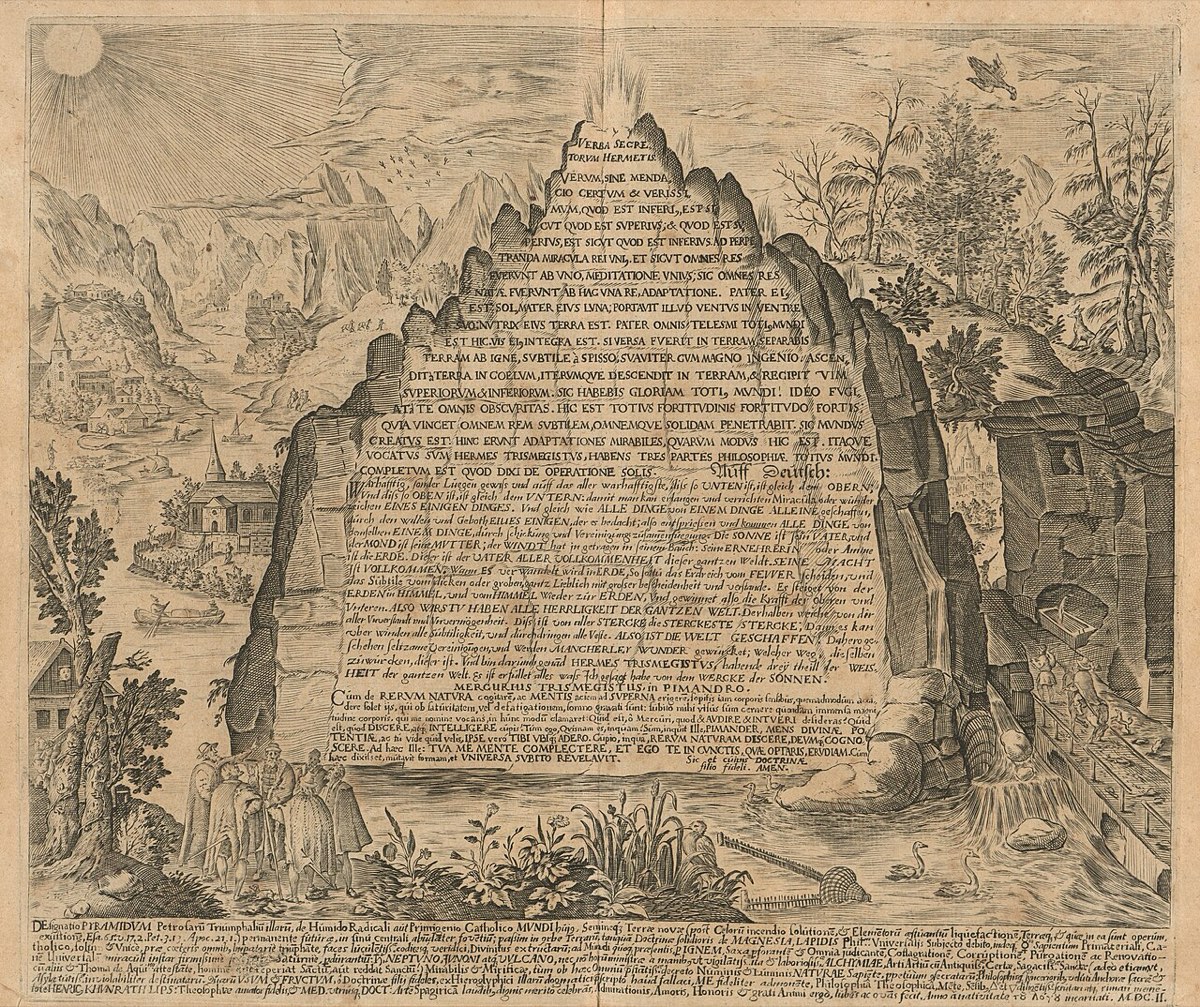 5TraditionThe ALL: why Hermeticism gives ultimate reality a name that sets no limits
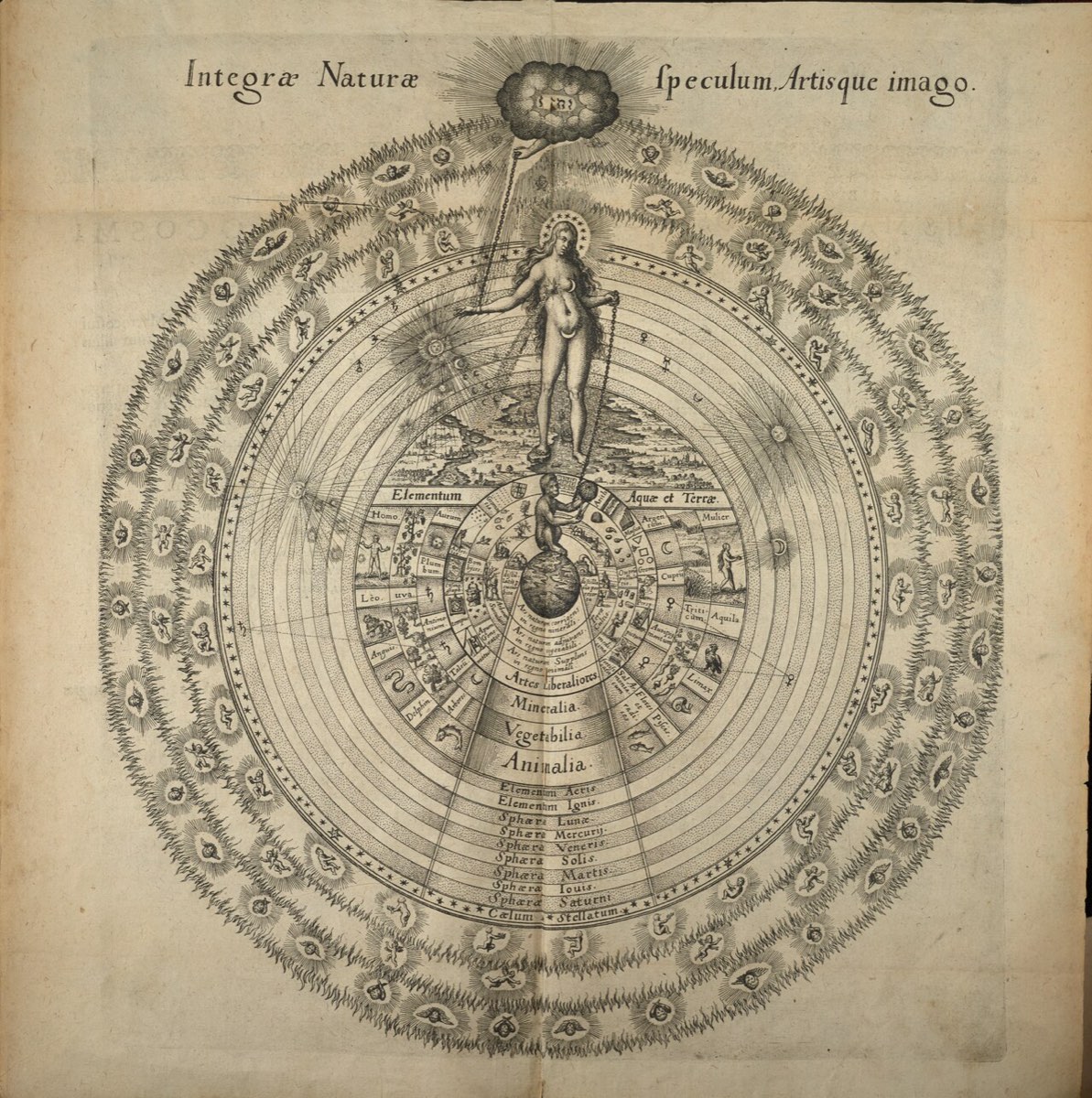 6TraditionThe Principle of Correspondence: why Hermeticism says life repeats its lessons
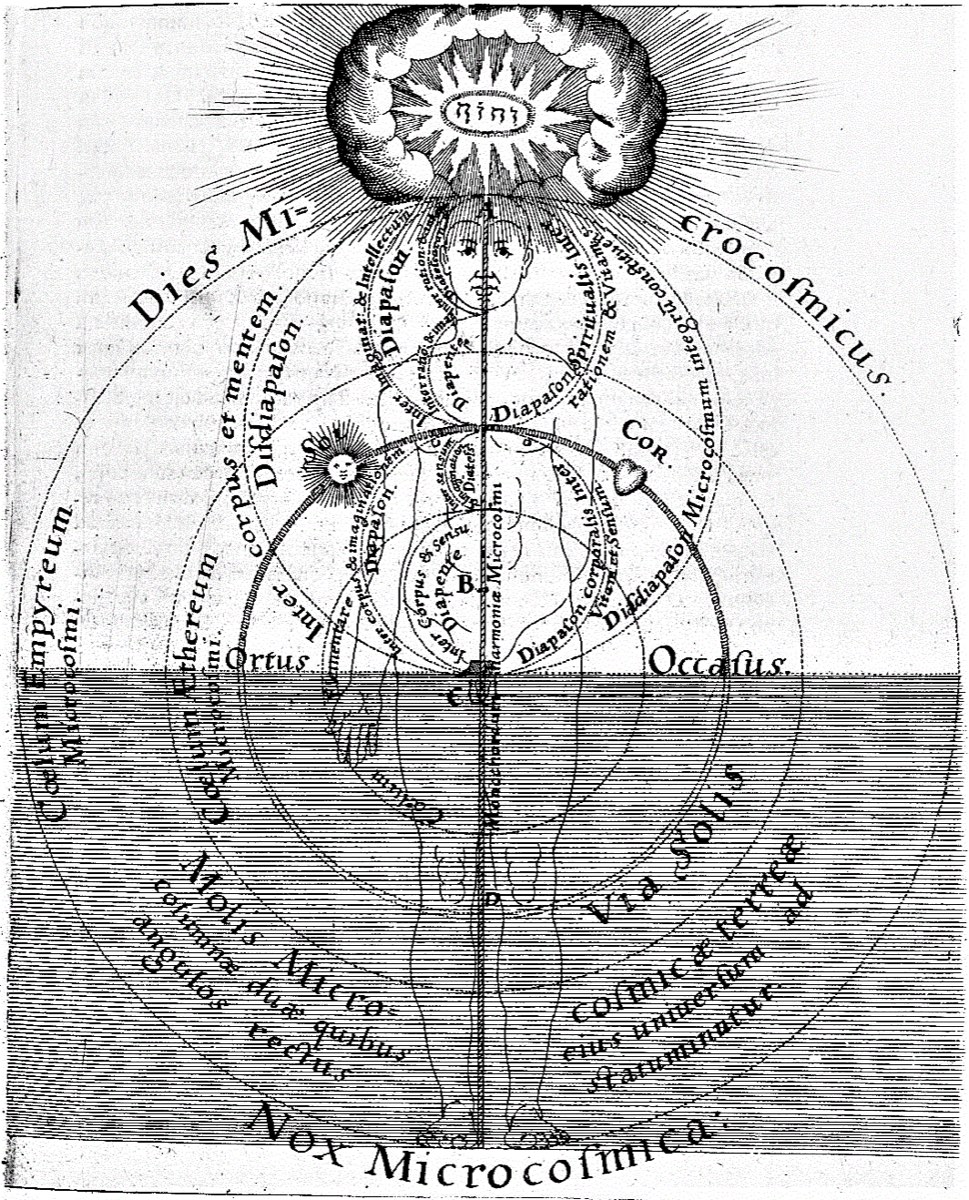 7TraditionThe Principle of Vibration: the Hermetic idea that nothing in the universe stands still
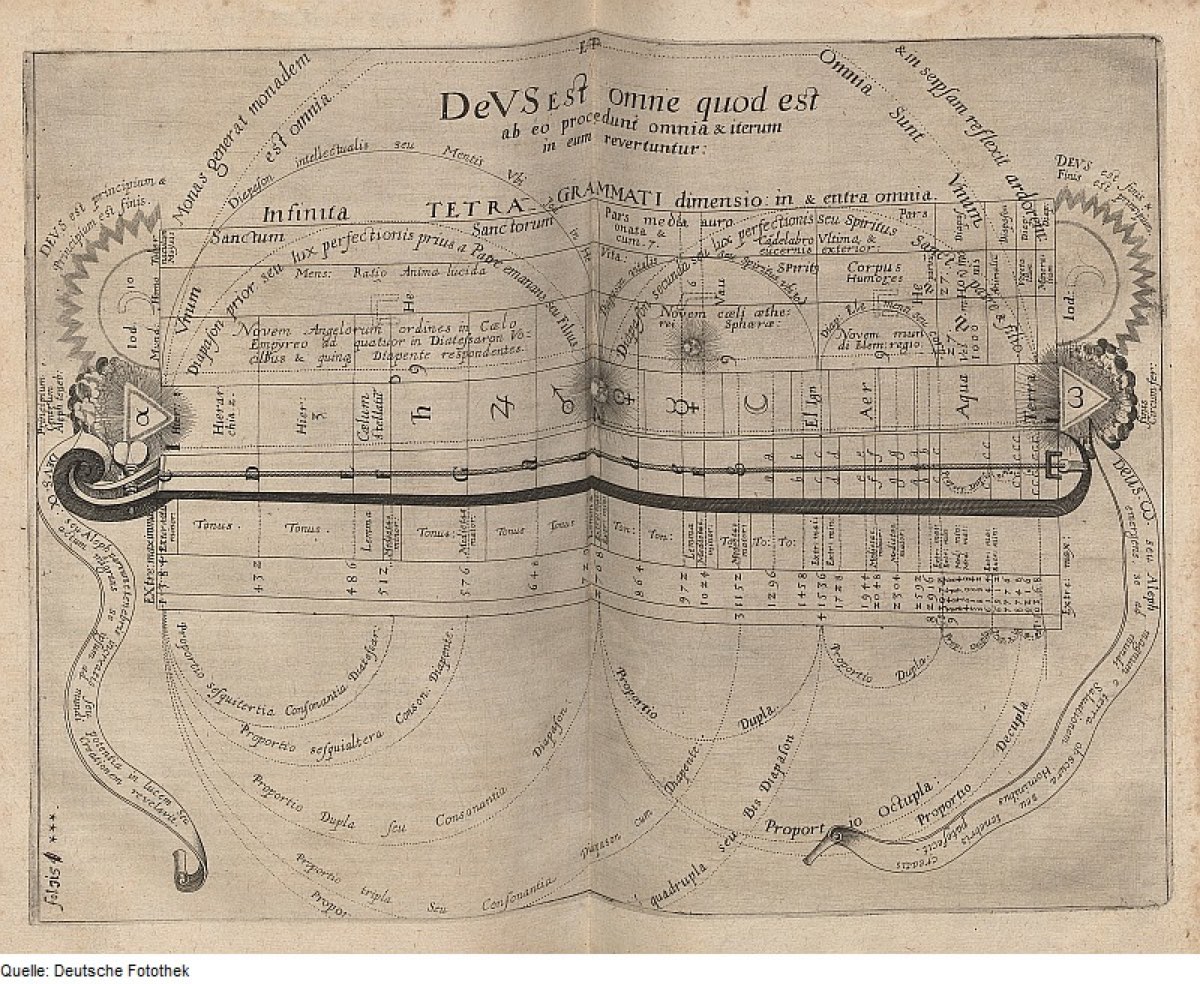 8TraditionThe Kybalion, chapter 10: the Principle of Polarity and choosing your degree
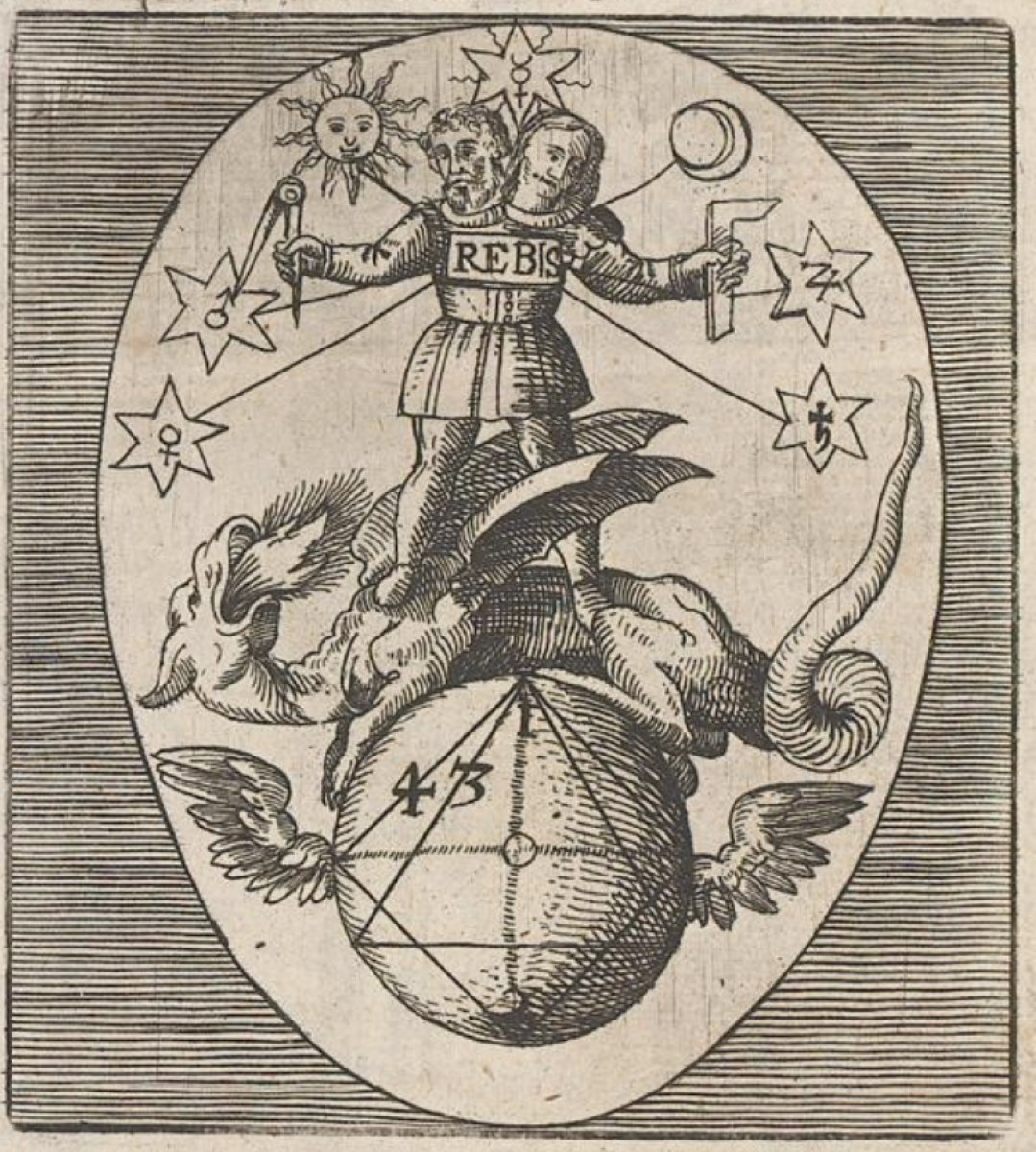 9TraditionThe Kybalion, chapter 13: the Principle of Gender and generation as universal law
 10TraditionThe Hermetic axioms: why the Kybalion closes by demanding practice, not theory
Frequently asked questions
What is Hermeticism?
It is a philosophical and religious tradition resting on texts attributed to Hermes Trismegistus, written between roughly 300 BCE and 1200 CE. Its most influential core is the Corpus Hermeticum, 17 texts in Greek.
What is The Kybalion?
It is a 1908 book, signed by "Three Initiates," that condenses Hermeticism into seven principles and presents itself as the transmission of an oral teaching, never before written down, going back millennia.
Who was Hermes Trismegistus?
A legendary, not historical, figure who fuses the Greek god Hermes and the Egyptian god Thoth. He is the purported author of the Hermetic texts, actually written by different authors across different eras.
What are the seven principles of The Kybalion?
Mentalism, Correspondence, Vibration, Polarity, Rhythm, Cause and Effect, and Gender. The book claims these laws explain how every plane of reality operates.
Is The Kybalion an ancient Egyptian text?
The book presents itself that way, but researchers date it to 1908 and find it owes more to the New Thought movement of the early twentieth century than to the ancient Hermetic texts.
Who wrote The Kybalion of 1908?
The official authorship is anonymous, "Three Initiates," but historians frequently attribute the book to William Walker Atkinson (1862-1932), a pioneer of the New Thought movement in the United States.